Barrier balancing arch: role, wear signs and related parts
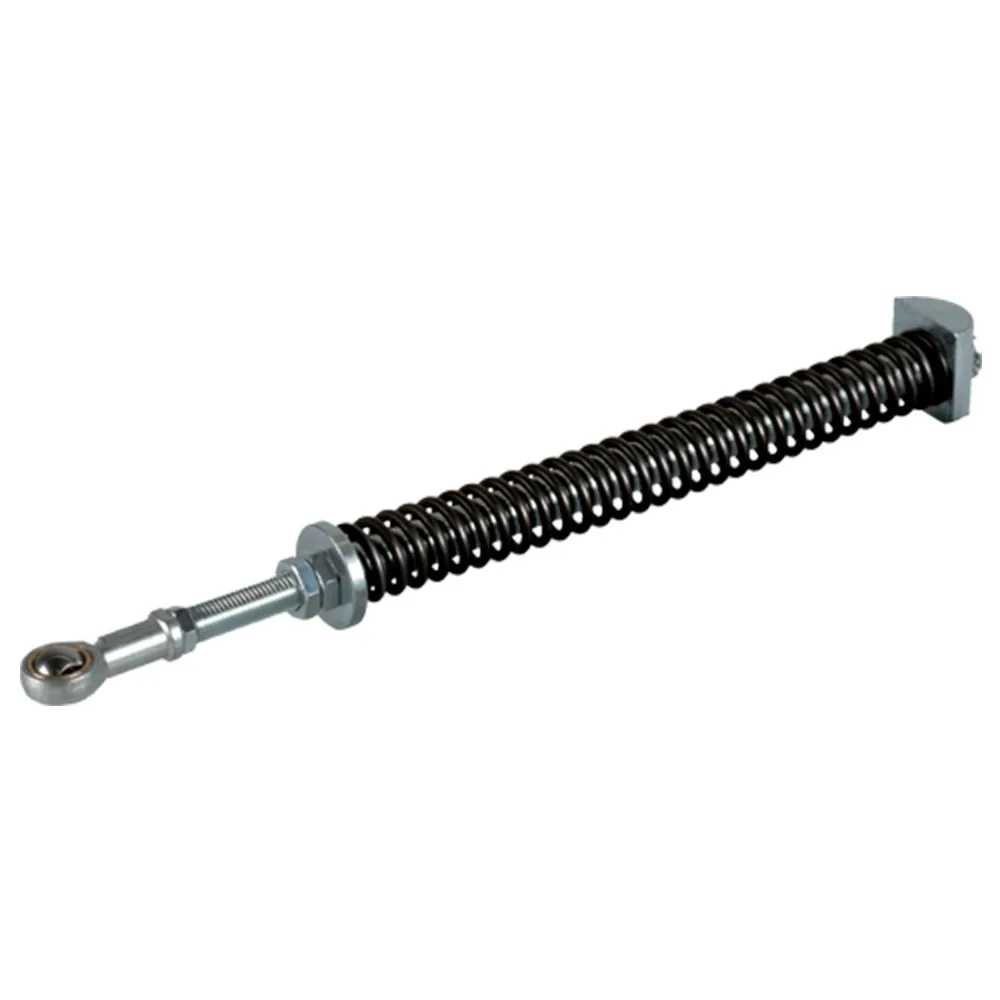
A barrier balancing arc compensates for the weight of the arm, so that the engine lifts and descends without unnecessary effort. ONSEC category of mechanical accessories gathers arches, arms, fences, rubber protections, supports and foundation plates for BFT, Faac, Beninca and other brands.
In short: the bow holds the arm in balance, and any accessory added to the arm, from fence to light, changes this delicate balance.
Do you need help choosing?
Tell us what you need and we'll send you the offer on the same working day.
A well-balanced barrier works smoothly, requires less engine and stops predictable. The arm, lights, fence and rubber protection add weight, so the balance must be checked after each change. The arc regulation remains the job of an educated technician, who works after the manufacturer's manual and with the arm assured. Find the barrier balancing arch and other parts in the category Mechanical accessories.
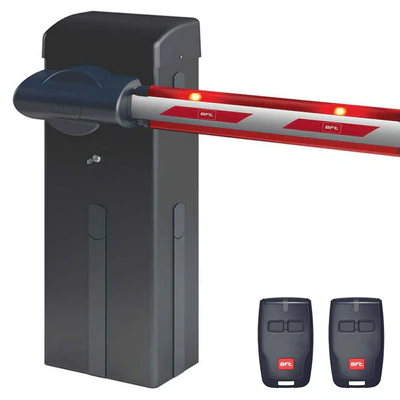
A barrier balancing arc works hidden in the shell, but decides how smooth the arm moves. Without it, the engine would lift all the weight itself. However, the bow shall correspond to the arm and accessories mounted. In this guide we see his role and the pieces that change his balance.
What does a barrier balancing arc do?
The arm of a barrier works like a long lever. Therefore, his weight is pressing strongly on the axis. The bow compensates for this weight. Thus, the engine only overcomes the small difference between arm and bow. Also, a fair balance makes the movement smoother at the end of the race.
In conclusion, a barrier balancing arc indirectly protects the engine and reducer. In other words, good balance prolongs the life of the entire mechanism.
Example in category: bow Faac 6 cm
Category Mechanical accessories includes equilibration bow Faac with diameter of 6 cm. The diameter helps to identify the spare part. However, the right choice is based on the barrier model and the length of the arm. Therefore, check the manufacturer's table before ordering a barrier balancing arc.
Length and balance of the barrier arm
The arm first determines the balancing force. The examples in the category show the differences.
- Model BFT ATML60 It has 6 meters, 92 mm diameter and aluminum body.
- The Beninca VE.500S arm has 5 meters, painted aluminum, for the VE.500 barrier.
- The simple fenced version reaches a height of 4.5 metres.
So, a longer arm requires a stronger barrier balance bow or otherwise adjusted. Especially when replacing the arm, the balance should be restored.
Guard, lights, protections and barrier balancing resort
Each piece mounted on the arm adds weight. For example, BFT ATML60 does not include rubber lights and protections. Therefore, you add them separately, and the total weight increases.
- Protection BFT PCA N6 Covers arms of 6 meters.
- Guard BFT RST ATM It has 3 meters, for ATM and ATML arms.
- The BTM-SKIRT model is 2 metres long and serves BOOM PS arms.
- Armlights appear in the category Electrical accessories.
In other words, after mounting a fence or lights, check the barrier balancing arch again. Otherwise, the arm can come down too fast or it can climb hard.
Support, fixing and foundation
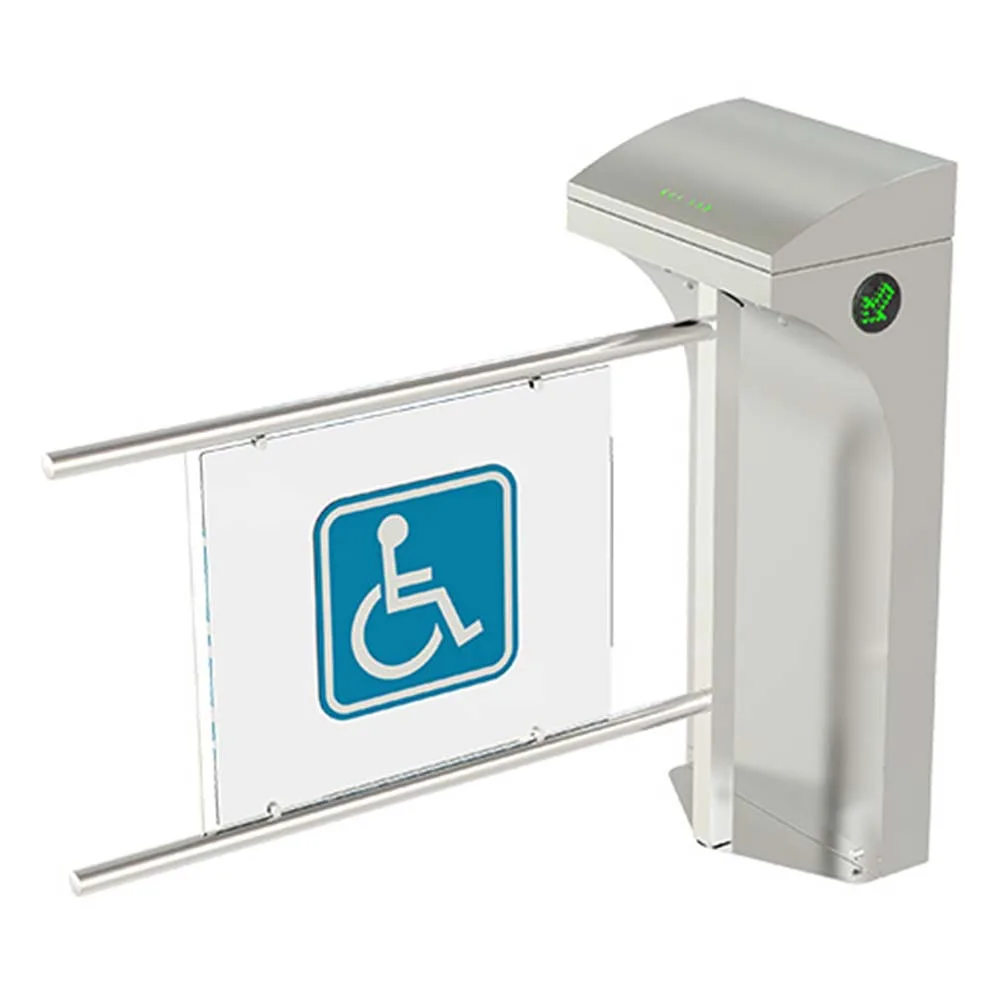
Balancing the barrier arm also depends on its correct grip. For example, the BFT ACC MCL ATT system fixes the ATT 704 and 706 arms. Then, Mobile support BFT GA ATM support the end of the arm and adjust. In addition, BFT BM foundation board for Michelangelo barrier allows mounting adjustment. At the same time, a end holder reduces the arc load to long arms. So the correct assembly helps a barrier balancing arc to work in parameters.
Signs of wear on a barrier balancing arc
- The arm comes down suddenly when you manually unlock the barrier.
- The engine seems forced to lift or slow down.
- The arm doesn't stay halfway through the race in manual mode.
- The new noises appear at the heads of the race.
Therefore, any of these signs require verification of a barrier balancing arc. Still, don't try to adjust it yourself.
Periodic verification of a barrier balancing arc
The bow works on every opening cycle. Therefore, at barriers with intense traffic, fatigue of the material appears faster. First, the technician visually observes the coils and the catch. Then test the arm manually, with the engine unlocked. For example, a balanced arm remains approximately on the spot in the middle of the race. In addition, the technician compares the behaviour with that of the assembly. Thus, a tired barrier balancing arc comes out before it affects the engine. At the same time, note the date of verification in the service log.
What you check in command of the pieces
- The exact model of the barrier and the series of the arm.
- Length of arm and accessories mounted on it.
- The diameter of the arc, as in the case of the 6 cm Faac arc.
- Attachments and supports compatible with the arm.
In other words, the complete data shortens the search for a suitable barrier balancing resort.
Safety in intervention
The arch stores high mechanical energy. Therefore, its dismantling or adjustment requires an experienced technician and the manufacturer's instructions. First, the technician stops the power supply and provides the arm. Then he works for the barrier manual. Finally, test a few complete cycles before teaching. For general rules on safe working with equipment, consult European Agency for Safety and Health at Work. Thus, a barrier balancing arc changes without unnecessary risks.
When you choose a new barrier
Sometimes, the spare parts no longer make economic sense. In this case, look at the Automatic barrier kits, with models BFT Giotto, Maxima or Moovi. For example, Giotto BT A 30S works with an arm of 3 meters, and Maxima 60 works with a arm of 5 meters. Therefore, you compare the cost of repair with that of a complete system. The decision also takes into account the age of the engine and the available parts. However, at a functional barrier, a new barrier balancing arc often solves the problem.
Frequently Asked Questions About Balance Bow Barriers
Do I have to change the bow if I put lights on my arm?
Not necessarily, but you need to check the balance. Sometimes it's a set-up, sometimes you need another bow.
How do I identify the right bow?
Start from the barrier pattern and from the length of the arm. Then compare it to the manufacturer's table. The diameter, like the 6 cm Faac bow, helps confirm the piece before ordering.
Can I adjust the bow by myself?
We don't recommend it. The arc holds great energy, and the adjustment requires an educated technician.
What parts influence balance?
The arm, the fence, the rubber protection, the lights and the end support. Therefore, after any modification, the technician shall revise the balance of the barrier arm.
Are you looking for the right piece? See all components in the category Mechanical accessories. The ONSEC team helps you identify the bow and accessories compatible with your barrier.