Pedestrian Battant Door Automation: Sliding arm or articulated arm
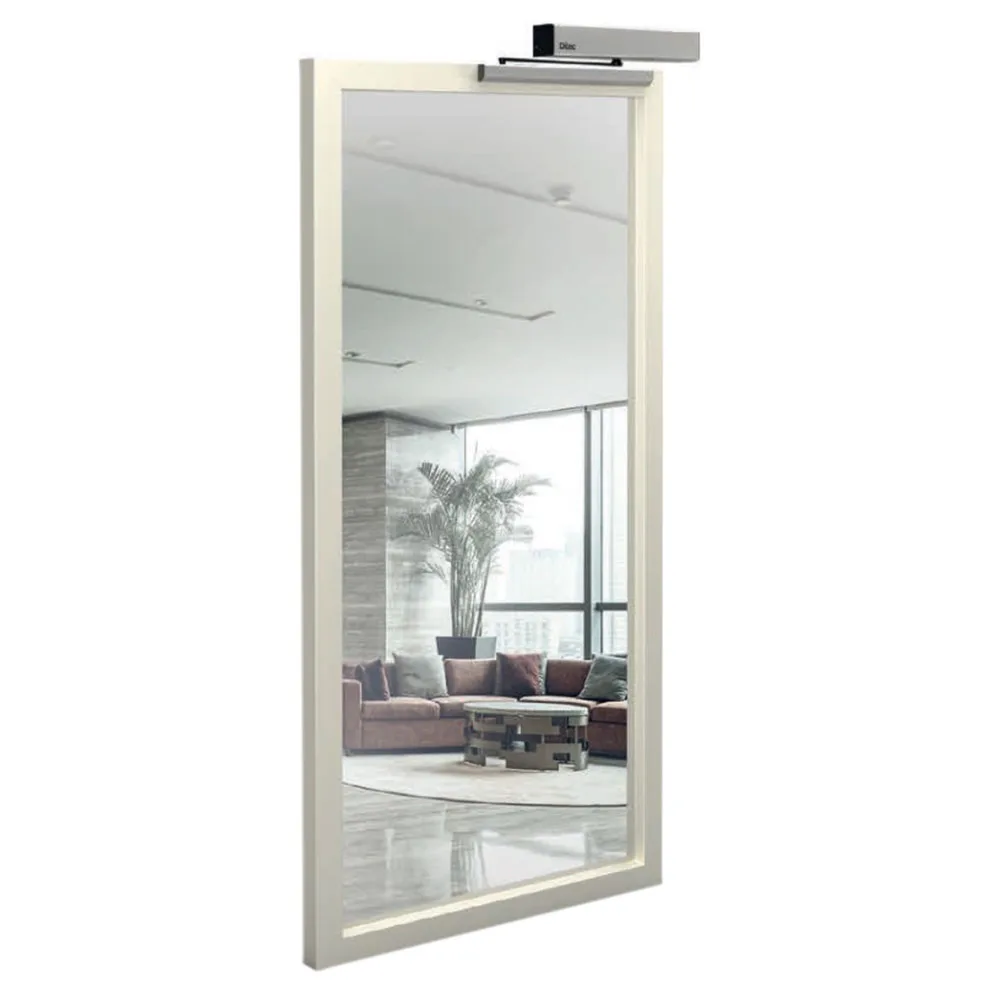
An automated pedestrian swing door opens a classic door on the hinges, without changing the stamp. The operator climbs over the door, and an arm transmits the movement to the sheet. Thus, entrances to offices, clinics or commercial spaces become more comfortable for all visitors.
In short: the sliding arm usually works on the front of the door, and the articulated arm on the front to which the door opens.
Do you need help choosing?
Tell us what you need and we'll send you the offer on the same working day.
A pedestrian door automation starts with the observation of the opening direction and the space above the heel. Then you decide between the slippery arm, more discreetly, and the articulated arm, more directly in the transmission of force. It also long thinks about the building's controls, sensors and accessibility requirements. Thus, the existing door becomes a convenient entrance for all visitors. View Ditec sets in category automations of doors.
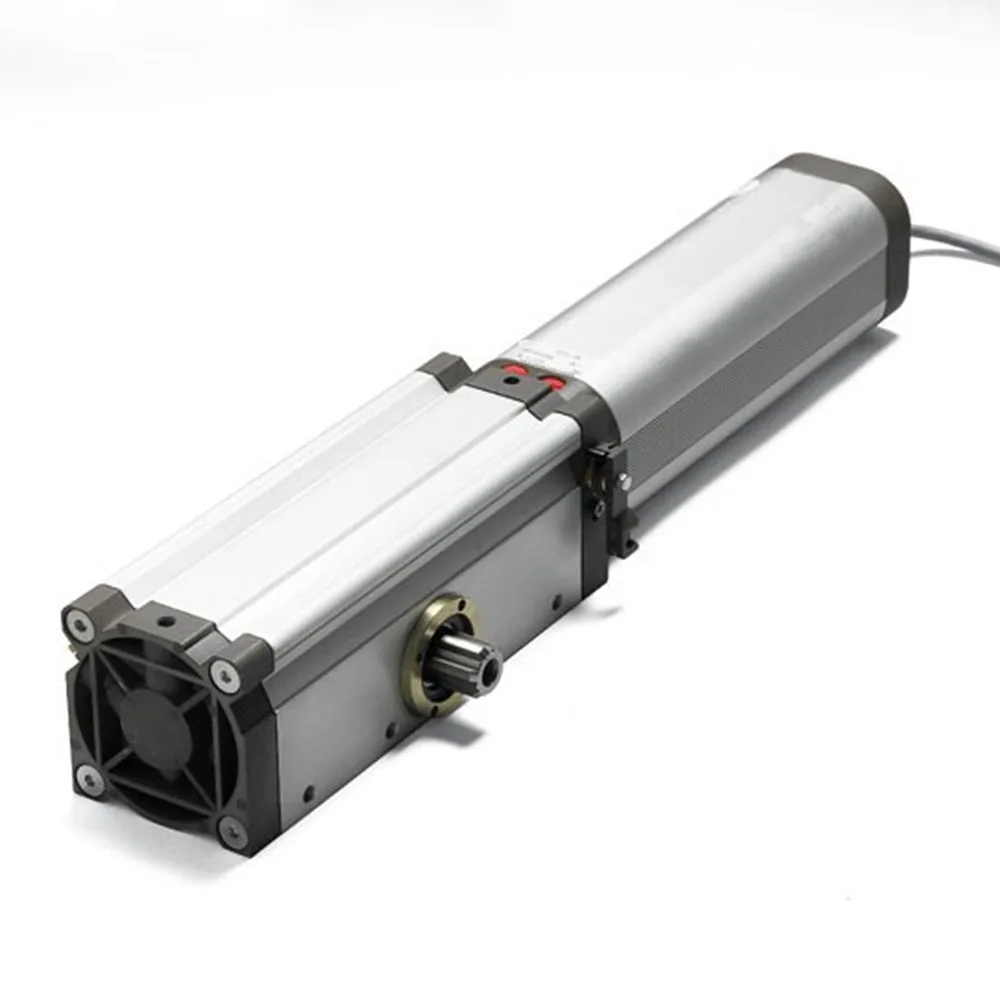
An automated pedestrian door keeps the existing door and adds an electromechanical operator. The engine sits in a narrow housing above the heel, and the arm pushes or pulls the sheet. Therefore, you no longer need a new sliding door for an effortless entry.
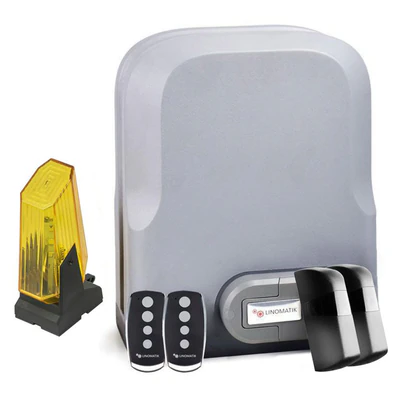
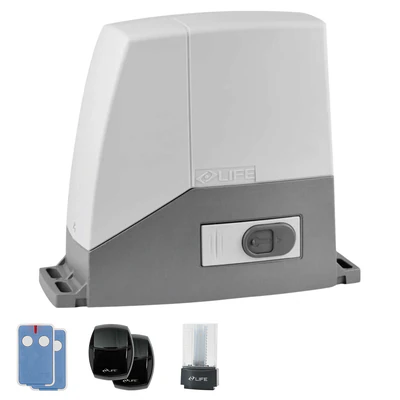
Category automations of doors find two Ditec sets, with the same motor and different arms. Thus, we use them below as an example for a correct choice.
What contains a pedestrian door automation set
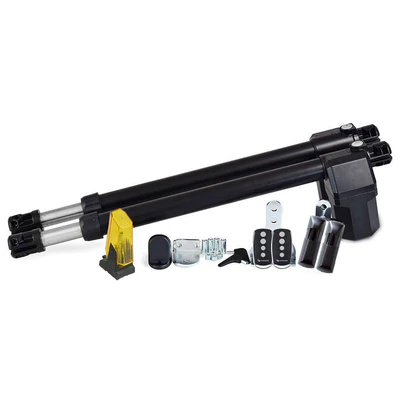
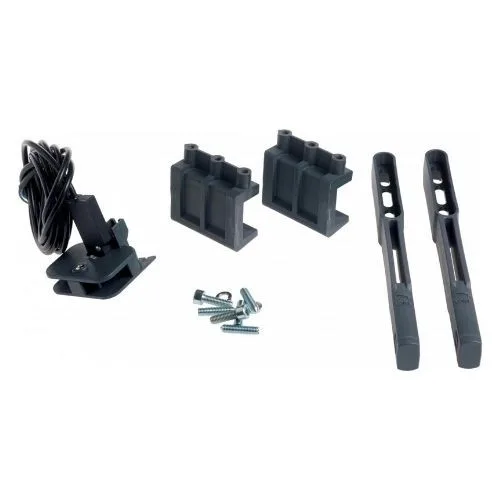
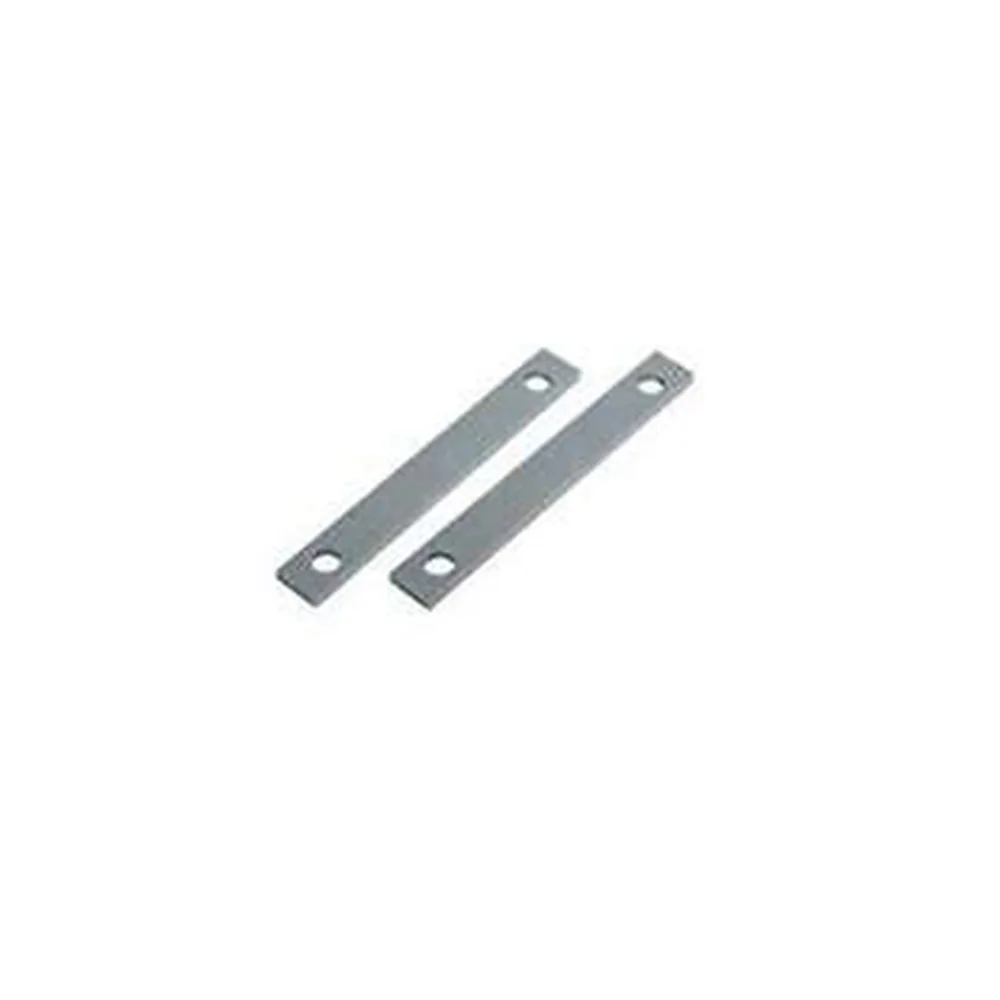
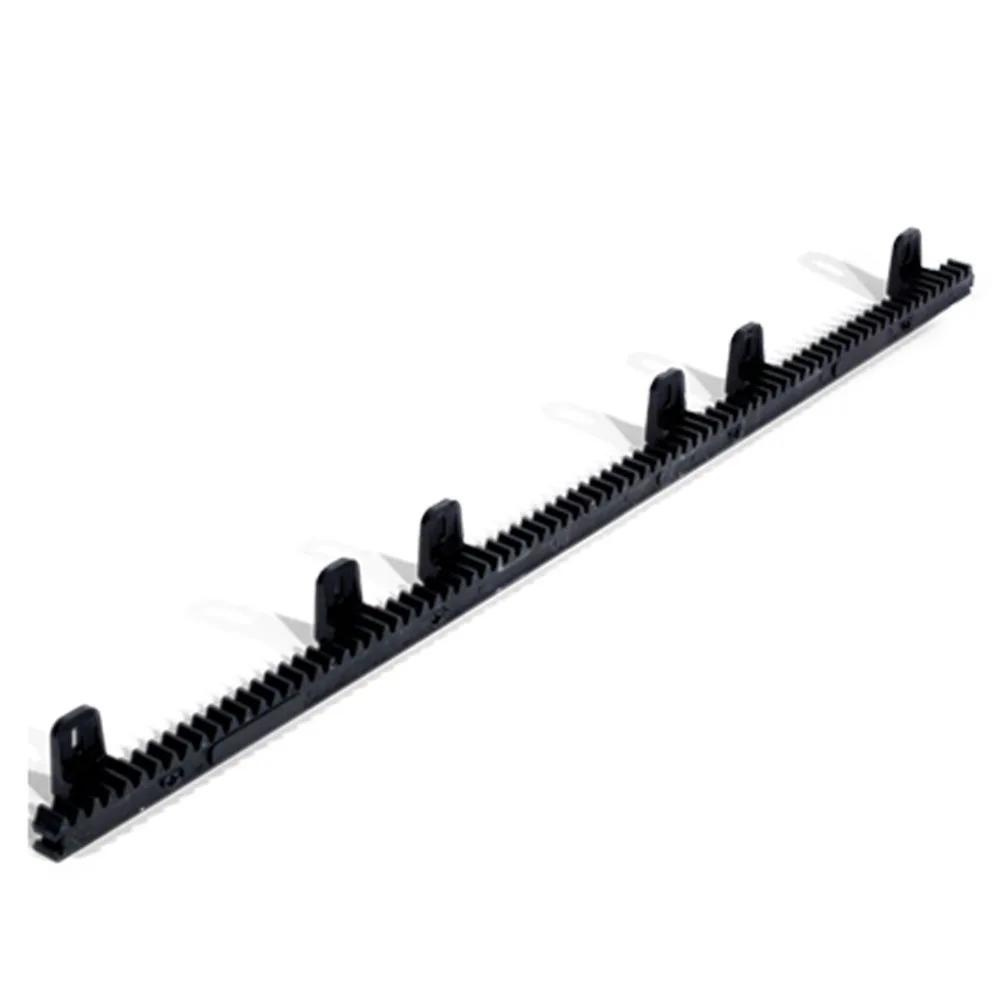
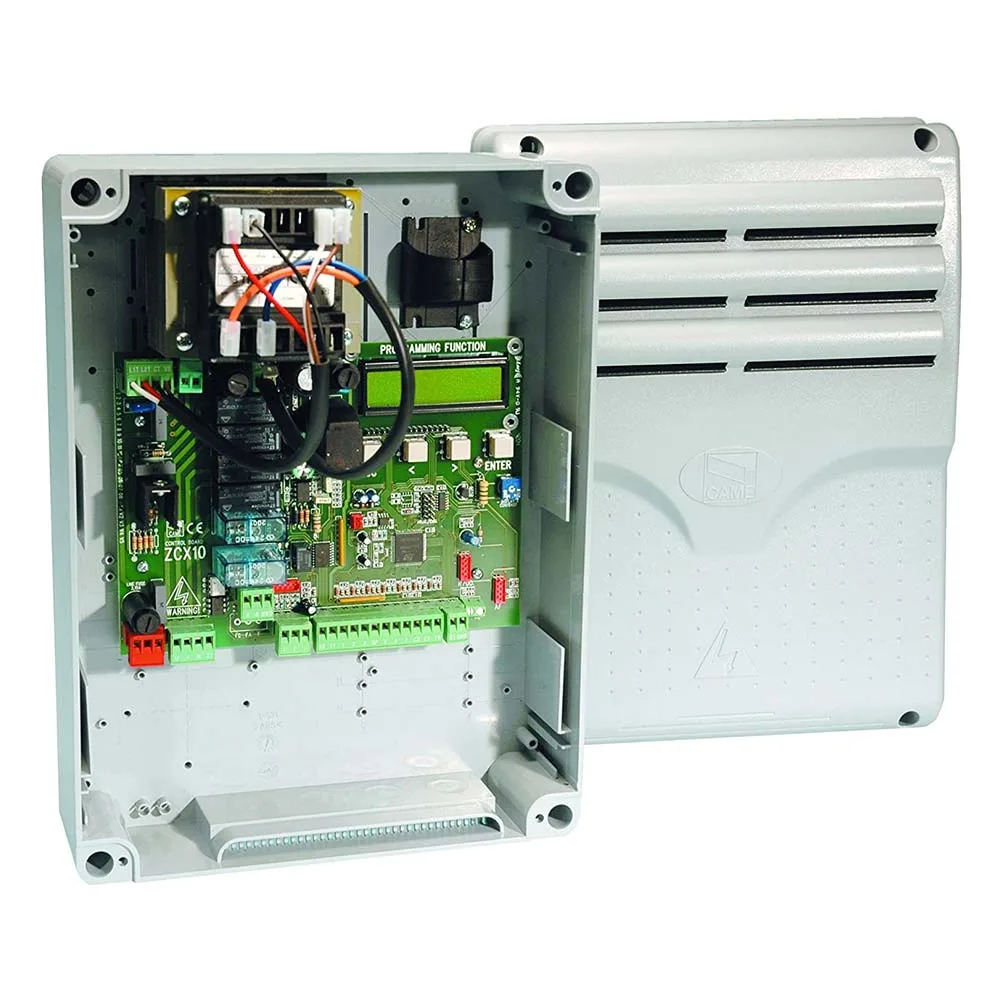
Ditec SPRINTP kits include the control panel engine and the transmission arm. For example, Ditec SPRINTP+SBS It comes with a slippery arm. Instead, Ditec SPRINTP+SBA use an articulated arm. So the engine remains the same, and the difference only occurs when it is caught on the sheet.
In other words, the choice of arm becomes the main decision at a pedestrian door automation.
Slide arm: when the door opens to you
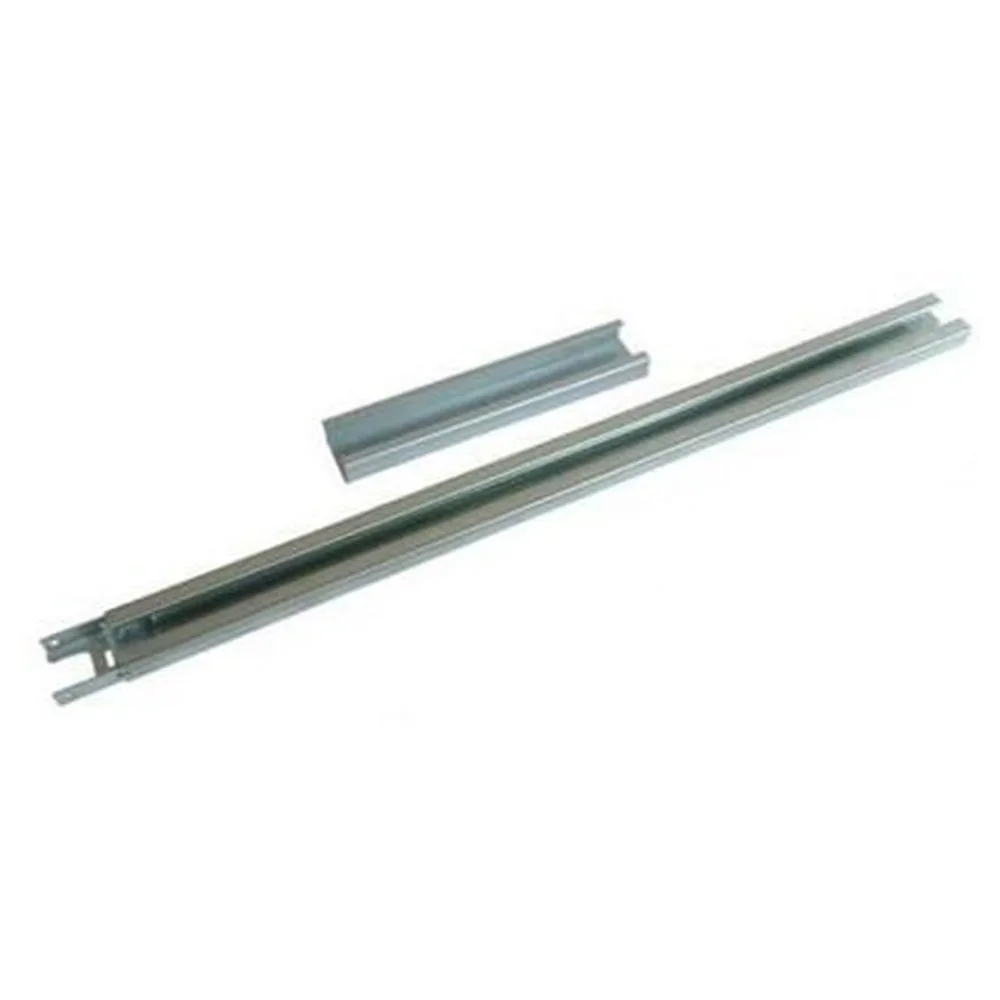
The sliding arm has a roller that slips into a rail attached to the door. Usually, this variant works on the face from which you pull the door. In addition, the appearance remains discreet because the track follows the sheet line. Therefore, at a pedestrian swing door automation you choose the sliding arm where aesthetics matter.
- First, the arm occupies a little space in the pass area.
- Then the track is easily integrated onto the doors of aluminium or wood.
- In addition, the movement seems fluid for visitors.
Articulated arm: when the door opens from you
The articulated arm has two segments linked by a joint. It pushes the sheet, so it usually works on the side to which the door opens. However, the arm comes out more outside when the door is open. Instead, it transmits the force more directly, which helps especially at heavy doors or exposed to air currents.
Before choosing, stand outside the door and observe the sense of openness. Then check which side you have for the carcass above the heel. Thus, choose a pedestrian door automation with the right arm, without subsequent changes.
Where an automated pedestrian swing door fits
The doors appear in many buildings where the slide does not take place. Here are some typical situations:
- For example, internal corridors from clinics and medical centers.
- Accessible sanitary groups from public buildings.
- Then secondary entrances to offices and company offices.
- In addition, interior doors between areas with carriage traffic.
On the other hand, at main entrances with high flow, a sliding door often remains more practical. For example, Dormakaba ES200 Easy cover a gap of 1000 × 2200 mm with a movable sheet of up to 120 kg. It therefore compares solutions and in the category Sliding door automation.
Pedestrian swing door motor for heavy and wind
The exterior doors bear the pressure of the wind and the temperature differences between the interior and the exterior. Therefore, a large or heavy sheet requires an operator capable of keeping it under control. At the same time, the articulated arm helps in these situations because it transmits the force more directly. Therefore, at a pedestrian-controlled automated pedestrian door mounted to the street, discuss with the technician the weight of the sheet and exposure to the wind.
Commands: button, sensor or code
The operator receives command from different devices. First, the simplest thing to do is to press the button, mounted on the wall. In addition, the presence sensors open the door without contact. At the same time, at restricted access doors, a code selector controls who enters. For example, Nice EDS store up to 255 different codes. See other models in category Code selector.
Thus, a pedestrian door automation adapts to both public entrances and staff.
Rules for the comfort of visitors
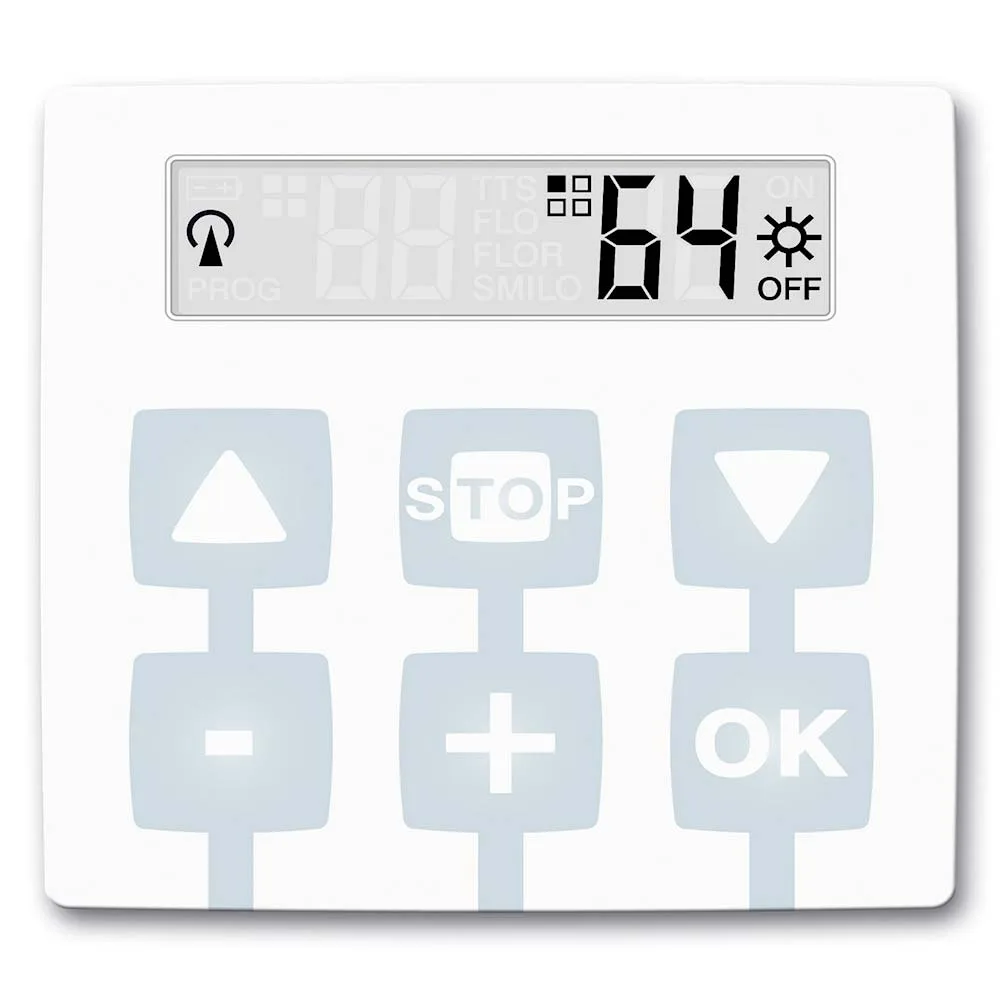
The control panel usually allows for speed and time adjustment while the door is open. For example, a clinic deserves a longer break, for people who walk slowly. Instead, at a high-traffic office, a short break limits heat loss. At the same time, a slow motion at the end protects the balamals and the heel. So, fine tuning turns a pedestrian door automation into a really comfortable entrance.
Safety of people around the door
The flogging sheet sweeps a whole area in front of it. Therefore, the assembly usually includes safety sensors that stop or reverse the movement. First, check the area of rotation for fixed obstacles. Then adjust speed and force to moderate values, especially in areas frequented by children or the elderly. In the end, it clearly marks the direction of opening on the glass sheet.
Accessibility and legal requirements
Many administrators choose a pedestrian door automation to ease access to people with reduced mobility. However, the final solution for accessibility shall be established after the project and the requirements of the authorities. Existing legislation finds the National legislative portal. Therefore, discuss widths, opening forces and placing orders with the designer.
Assembly and maintenance
First, the assembly requires a solid heel, capable of supporting the shell and arm strength. You also need electricity over the door. After that, maintenance means checking the clamps, cleaning the rail on the sliding arm and testing the sensors. Thus, the door remains silent and predictable over time.
Frequently asked questions: automation pedestrian swing door
Can I automate an existing door?
Yeah, if the heel and the balamals stay in good condition. The operator shall be added above the door.
What arm do I choose for a pedestrian swing door automation that pulls?
Usually the sliding arm, as in the SPRINTP+SBS set. However, it confirms the meaning on the spot.
Does the door and manual work?
Generally, yes, especially in the absence of power. However, it shall check the working mode in the documentation of the manufacturer.
Can I control access with a code?
Yeah, by connecting a digital selector to the control panel.
View the settings in category automations of doors. The ONSEC team helps you choose a pedestrian door automation suitable for your entry.