Pergola automation with blades: how the actuator works
A pergola automation transforms the roof's adjustable blades into a system that you regulate from a control, not with a handle. The heart of the system remains the linear actuator, assisted by a control unit and, optionally, a temperature sensor. Here's how you choose the ingredients.
In short: Nice PATIO1515 actuator from 1500 N to 24 V, kit PATIOKIT1515 with control unit and temperature sensor, plus control accessories.
Do you need help choosing?
Tell us what you need and we'll send you the offer on the same working day.
The motorized pergola gives you shadow or light with only one command and spares you the effort to adjust the blades manually. For a new installation, the complete kit brings the actuator, control unit and sensor into the same package. If you already have part of the components, you can only complete what is missing. Check the force required, the working voltage, and the fixture. Then choose from the category Pergola automations the right option for your structure.
A pergola automation has a simple role: it rotates the roof blades without manual effort. Thus, you pass from full shadow to light or air in seconds. Category Pergola automations Moreover, you find the Nice Patio system, designed for this type of movement. Therefore, it is worth understanding how each component works before purchasing.
How a pergola automation works with blades
Pergola with adjustable blades have a mechanism that links all the blades to each other. Then the linear actuator pushes or pulls this mechanism. Thus, the blades rotate together in the same angle. At the same time, the control unit gives control and manages the movement. In addition, a temperature sensor may send information about the conditions outside. In other words, a pergola automation combines strength, command and information in a single system.
- Actuator, that is the part that produces the movement.
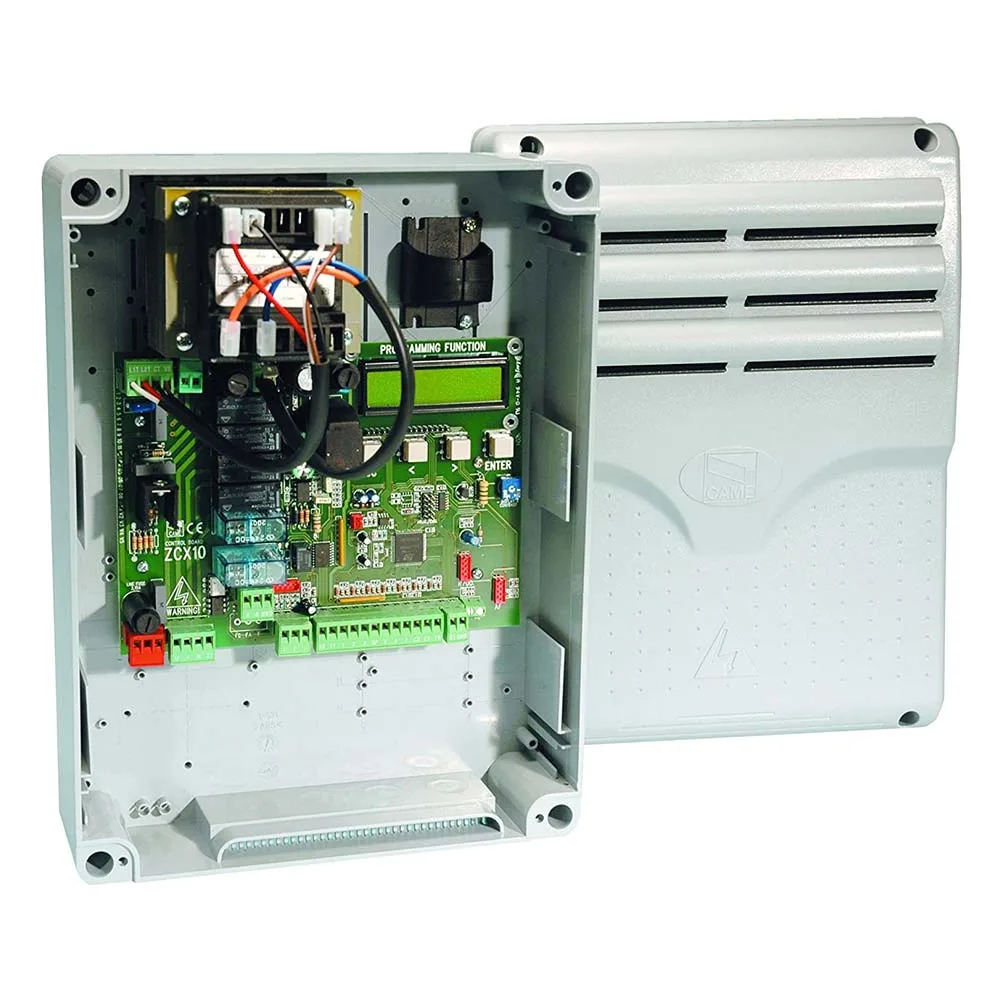
- The control unit, which receives and transmits the orders.
- The temperature sensor, especially useful in winter.
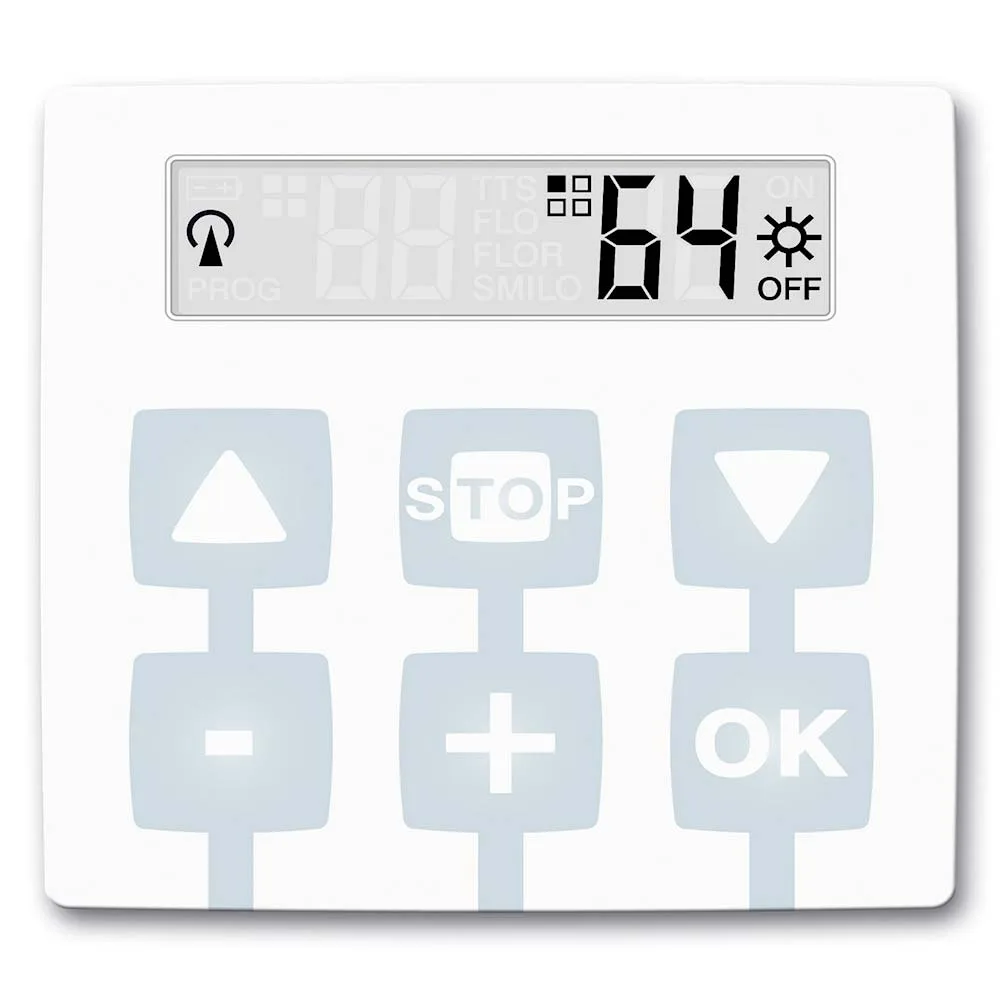
- Wall controls, e.g. Nice plates and supports.
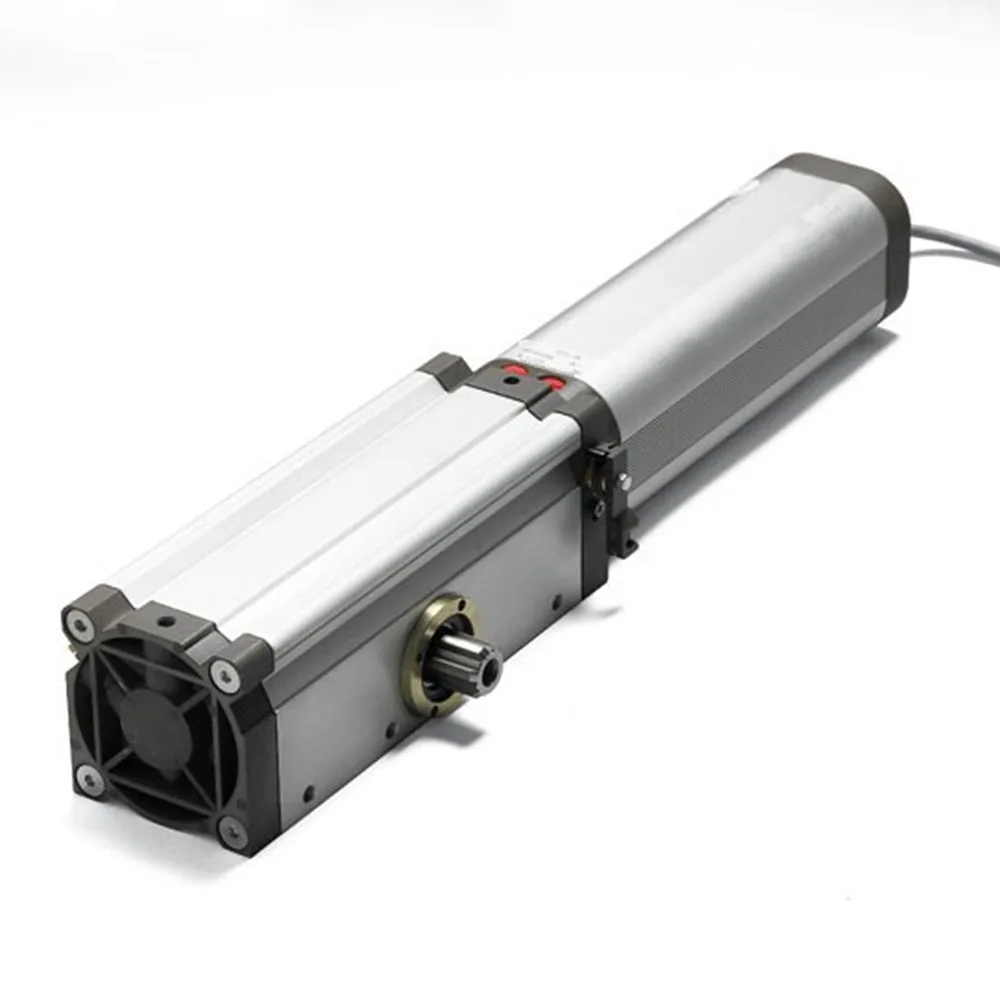
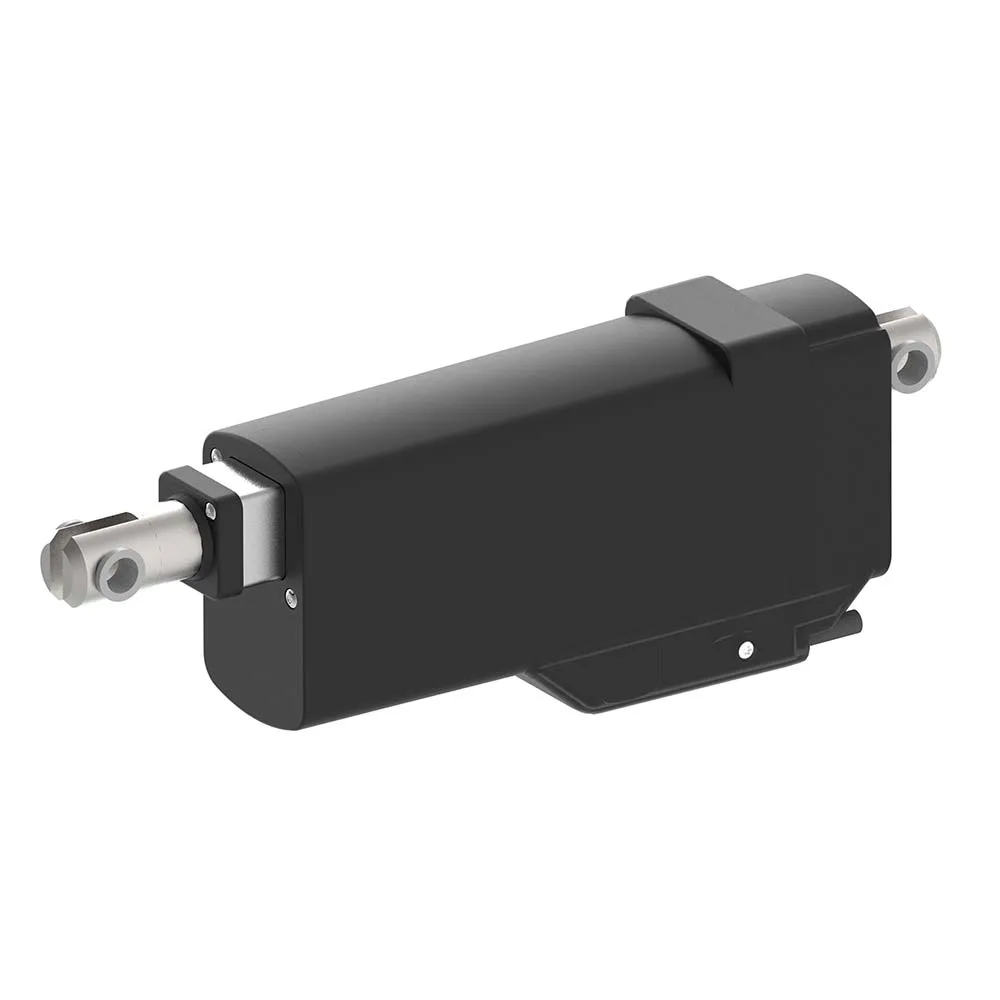
Nice Patio Linear Actuator for Pergola Automation
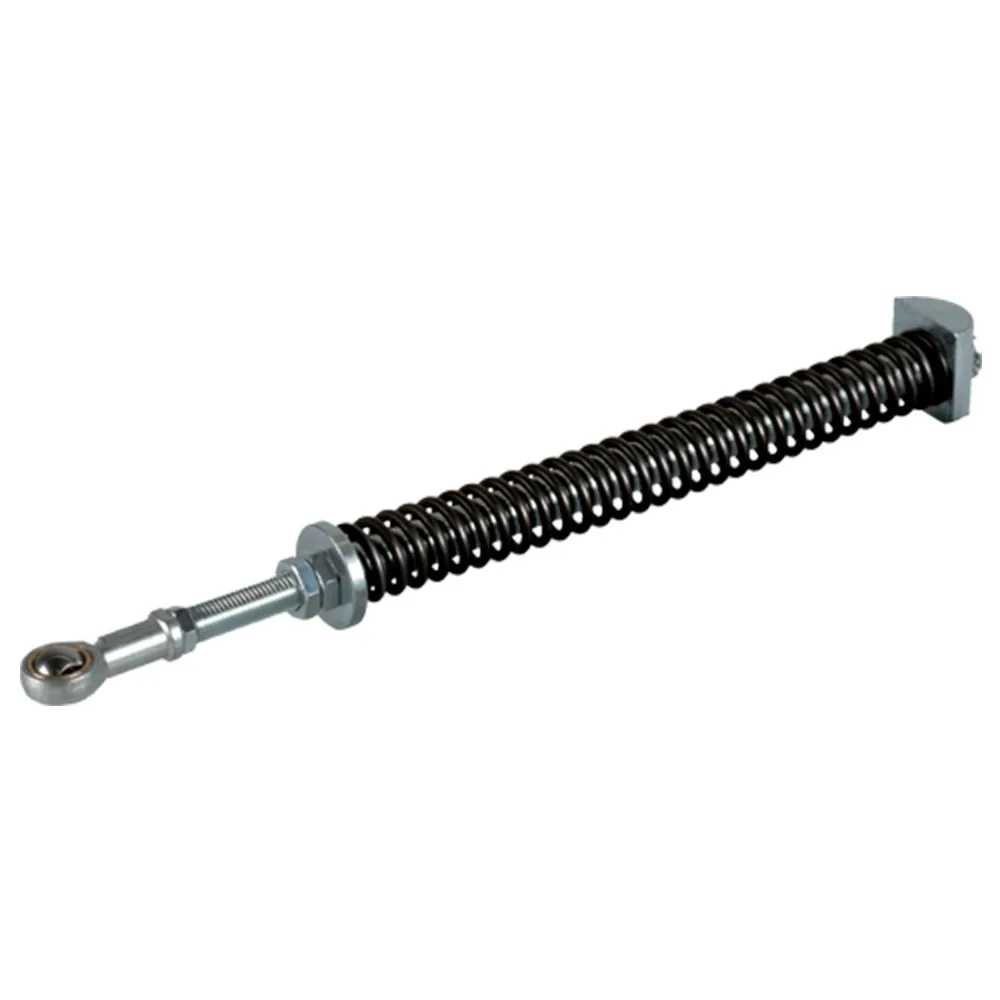
Model Nice patio1515 develops a 1500 N force and works at 24 V. Low voltage simplifies the path of cables in the terrace area. At the same time, the 1500 N force helps in particular the long aluminium blades. However, the pergola structure decides whether a single actuator arrives. That's why he's asking the pergola manufacturer about the weight of the blades.
- Push and pull force: 1500 N.
- Power supply voltage: 24 V.
- Family: Nice Patio, with dedicated control unit.
Separate pergola automation kit(s)
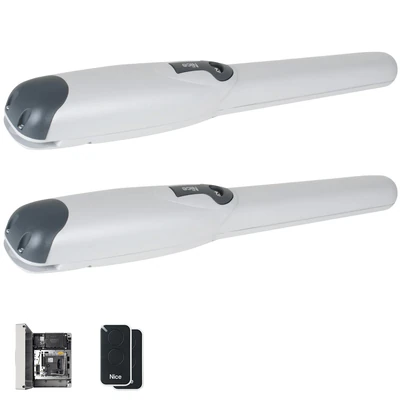
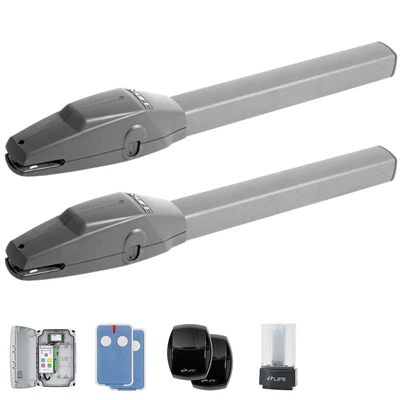
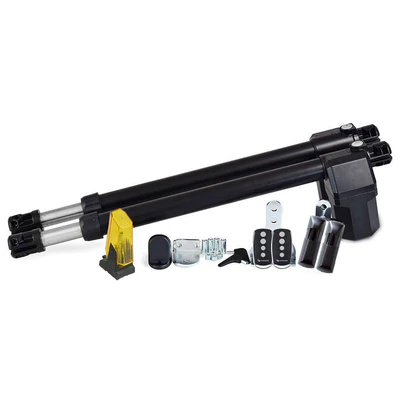
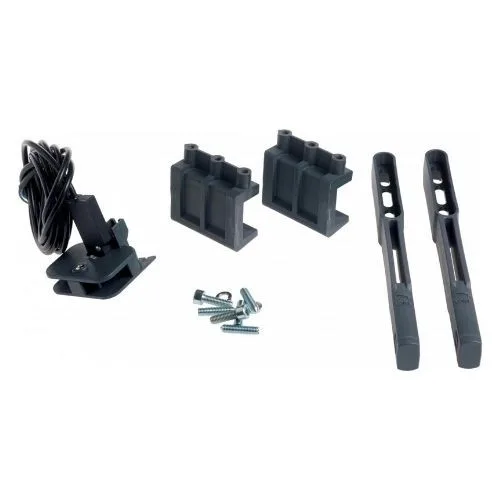
For a new installation, Nice kit PATIOKIT1515 gathers the actuator, control unit and temperature sensor. So, you have the components of the same family, ready to work together. Instead, if you already have the actuator, you can add it separately control unit Nice PATIOCONTROL. Also, the sensor Nice Patiosensort There's a separate piece. Thus, a pergola automation can also be built in stages.
Why the temperature sensor matters
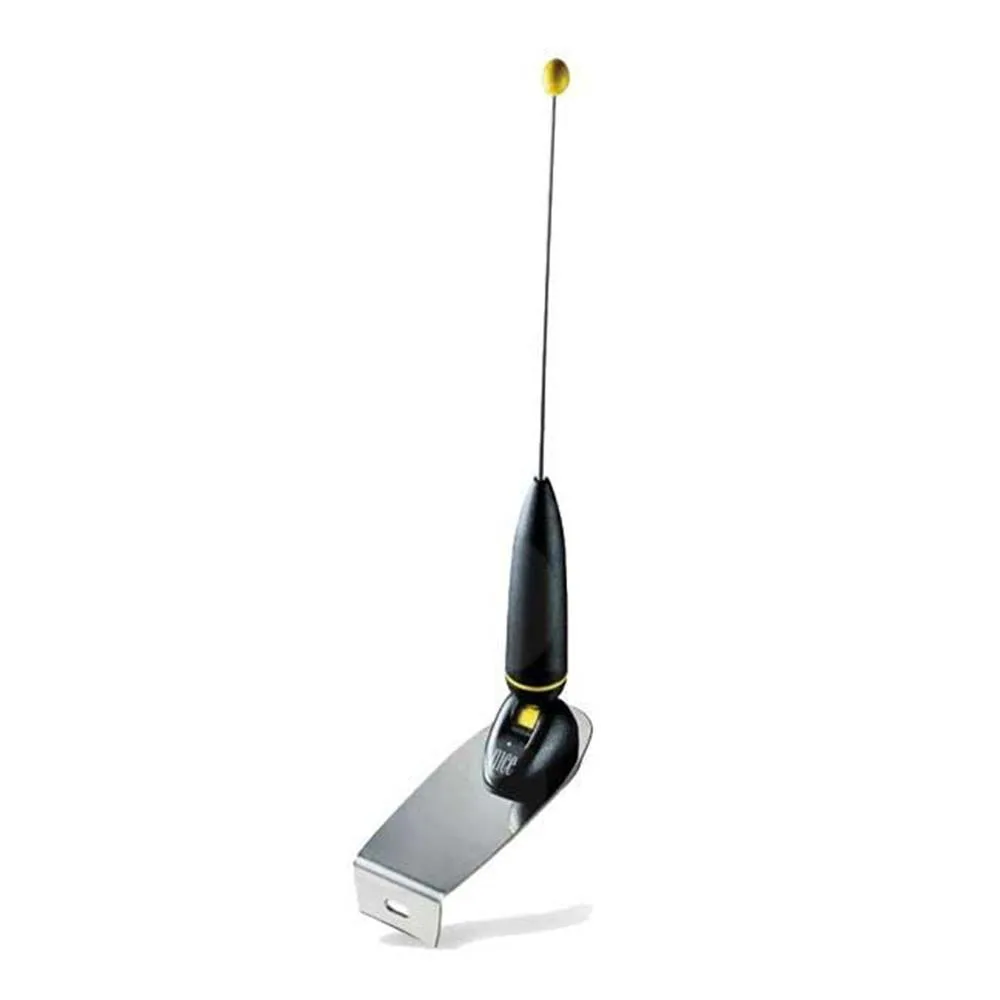
Pillow blades stay out all year. Winter, for example, water can freeze between blades and block them. In this case, an unwarranted order would force the mechanism. The sensor thus provides the control unit with useful information about the cold. However, the exact behaviour depends on the programming of the unit and the manufacturer's instructions. Therefore, read the manual and adjust the system still from the mounting.
Example: terrace of a cold winter house
Let's take a ball with the blades over a north-facing terrace. First, the owner is looking for a pergola motor that will provide shade in the summer and light in spring. Then, in winter, the ice can stick the blades between them. In this case, the temperature sensor kit provides additional unit information. So a complete pergola automation fits better than the actuator alone.
Maintenance of a pergola automation
A motorized system requires little attention, but regular. First, clean the leaves and dust because the debris makes it difficult to rotate. Then visually check the actuator's catch at least once a season. In addition, watch if the movement becomes noisy or shaken. In this case, stop using and ask for a check. At the same time, keep the connections dry and the caps tightly closed. Thus, a neat pergola automation works smoothly from one season to the next. It also notes any intervention, so that the installer knows the system's history.
Assembly of a pergola automation
First, set where you fix the actuator on the structure. The place must, moreover, allow the complete race of the rod. Then protect the electrical connections of water and dust. In addition, choose a cable track hidden in the pergola profiles, if the design allows it. In the end, test the movement in both directions. Thus, pergola automation remains reliable years in a row, without unpleasant locks.
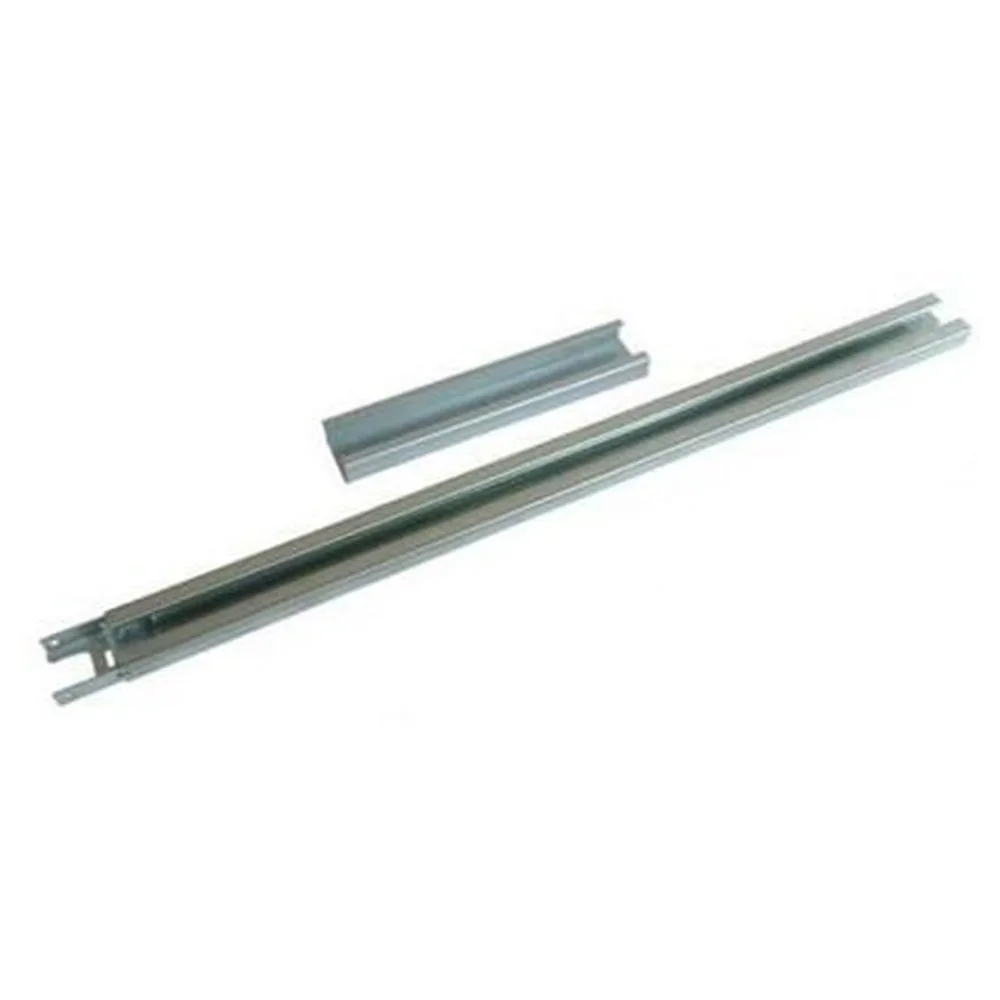
- Check the actuator's alignment with the blade mechanism.
- Leaves access for maintenance, especially to the control unit.
- Write down the settings made at the start of operation.
Controls and accessories for pergola automation
In addition to the kit, you can add elements from control and programming, such as the Nice wall tiles and supports. They thus help to place the order where you use it most often. Also, category common accessories includes parts compatible with the Patio family. In other words, you complete the system without changing the actuator.
Mistakes to avoid at pergola automation
- An actuator chosen without data on the weight of the blades.
- Connections left unprotected in the rain.
- Lack of sensor, especially in a cold winter area.
- Control mounted away from the use site.
On the other hand, do not accidentally mix components from different families. A pergola automation works best with actuator, unit and sensor designed to communicate with each other. It also asks for advice from the pergola assembler before the first command.
General standards for electrical equipment are found at national standardisation body. However, for the installation itself, the manufacturer's manual remains the main guide.
Frequently Asked Questions about Pergola Automation
Can I motorize a pergola with the blades already mounted?
Many times, yes. However, the lamellar mechanism must accept a linear actuator. Therefore, it checks the structure with the pergola manufacturer.
What voltage does the Nice Patio actuator use?
The PATIO1515 model works at 24 V, and the PATIOCONTROL unit uses the same voltage.
Does it need temperature sensor pergola automation?
In areas with ice, the sensor shall provide the control unit with useful information. That's why the PATIOKIT1515 kit already includes it.
Where do I mount the wall command?
For pergola automation, the command is ideally located near the exit to the terrace, where you arrive daily. Thus, the Nice plates and supports in the control category keep the order at hand. In addition, a visible position helps you track the blades while adjusting them.
Compare products from Pergola automations and start from your structure data. The ONSEC team helps you choose the right pergola automation for the blades and the way you use the terrace.