Sectional hall door automation: surface, voltage and unlocking
A sectional hall door automation lifts heavy panels from docks, workshops and warehouses without manual effort. The engine shall be mounted on the arc axis and shall work after the door surface, the available voltage and the number of cycles per day. A correct choice reduces stops and wear.
In short: start from the square meters of the door, check if you have 230 V or 400 V, then choose the working regime and type of manual unlocking.
Do you need help choosing?
Tell us what you need and we'll send you the offer on the same working day.
A well-chosen sectional door automation starts from the door surface and from the available voltage. Then you decide the working regime, the mode of command and the manual unlocking system. Also, do not forget to balance the arches and safety devices around the door. Thus, the engine works without over-demand, and the staff circulate safely. Discover BFT, Nice and Came models in the category Sectional door automations.
A sectional hall door automation turns a heavy door into a fast and controlled access. The panels rise on the rails, and the engine directly operates the axis with balancing arches. Therefore, the operator no longer pulls the chain on each truck entering the ramp.
Below you find the real criteria after which you compare the models in the category Sectional door automations. For example, we use BFT PEGASO and Nice SU2000 operators.
How to work a sectional hall door automation
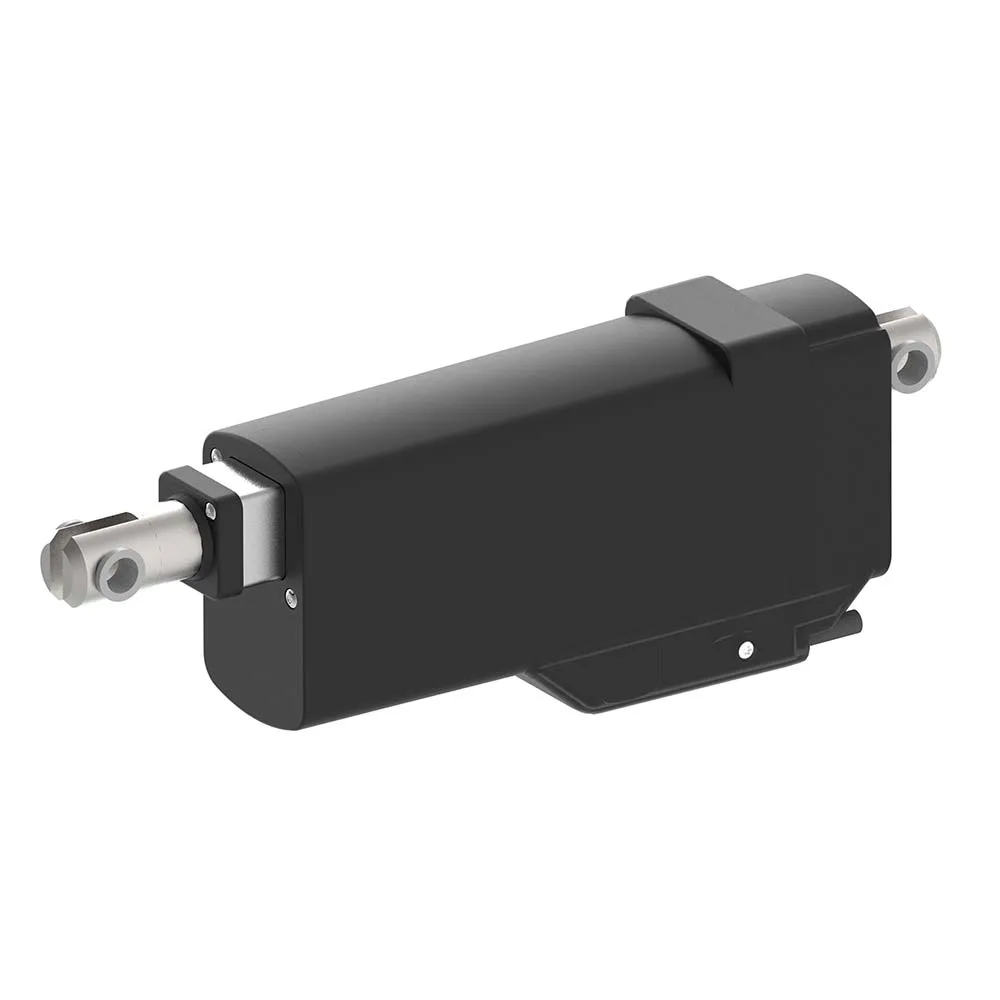
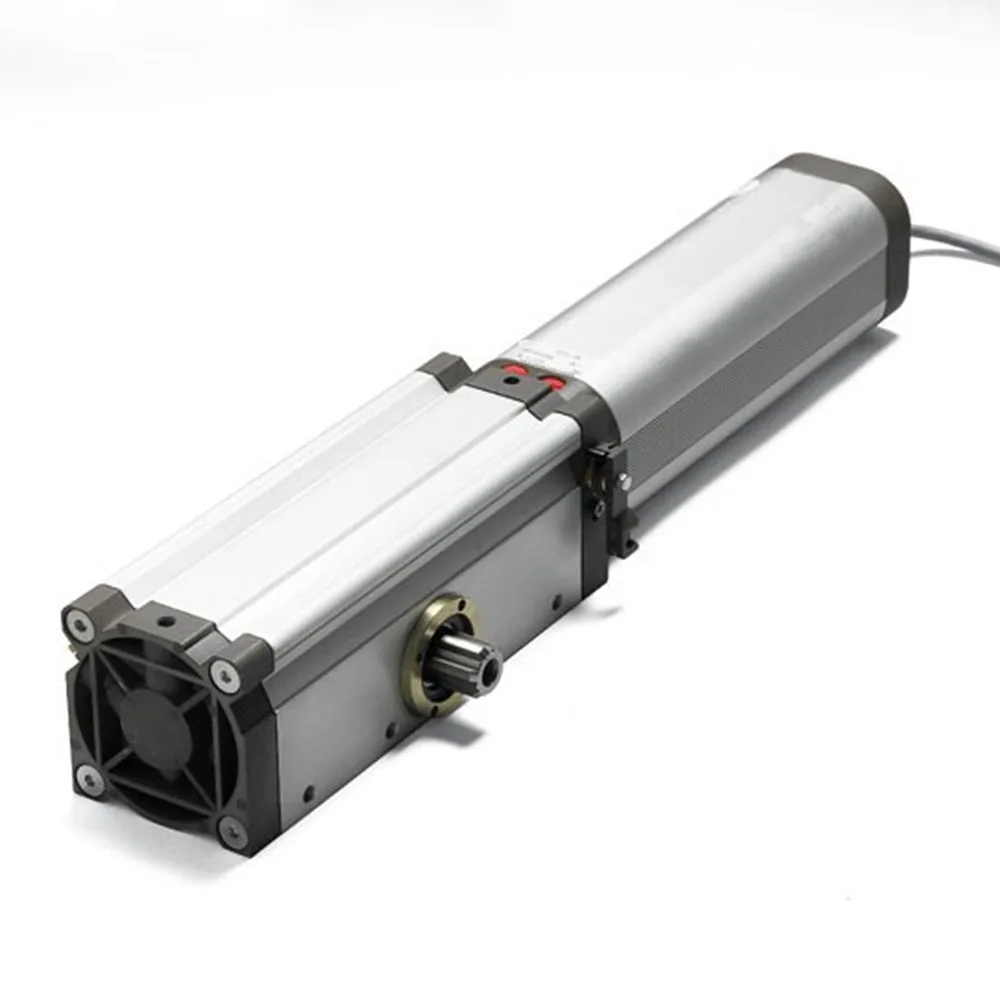
Unlike residential garage doors, industrial doors usually do not use a traction rail on the ceiling. Instead, the engine is coupled sideways on the arc axis. Thus, the couple reaches directly to the drums on which the cables are wrapped. At the same time, the arcs take most of the weight, and the engine only completes the effort.
For this reason, door balancing matters enormously. An unbalanced door wears out any motor, no matter how powerful. So, before you mount a sectional hall door automation, it requires a check of the arches.
Door surface, first choice criterion
Manufacturers shall indicate the limit in square metres on any motor for the industrial sectional door, not in kilograms. Here is the beach in the category:
- For example, BFT PEGASO BCJA620L01 works in doors up to 20 m2, with a maximum torque of 50 Nm.
- Then the BCJA625 series climbs to 25 m2 and offers 70 Nm.
- In addition, models BCJA645 cover doors up to 45 m2, with 100 Nm.
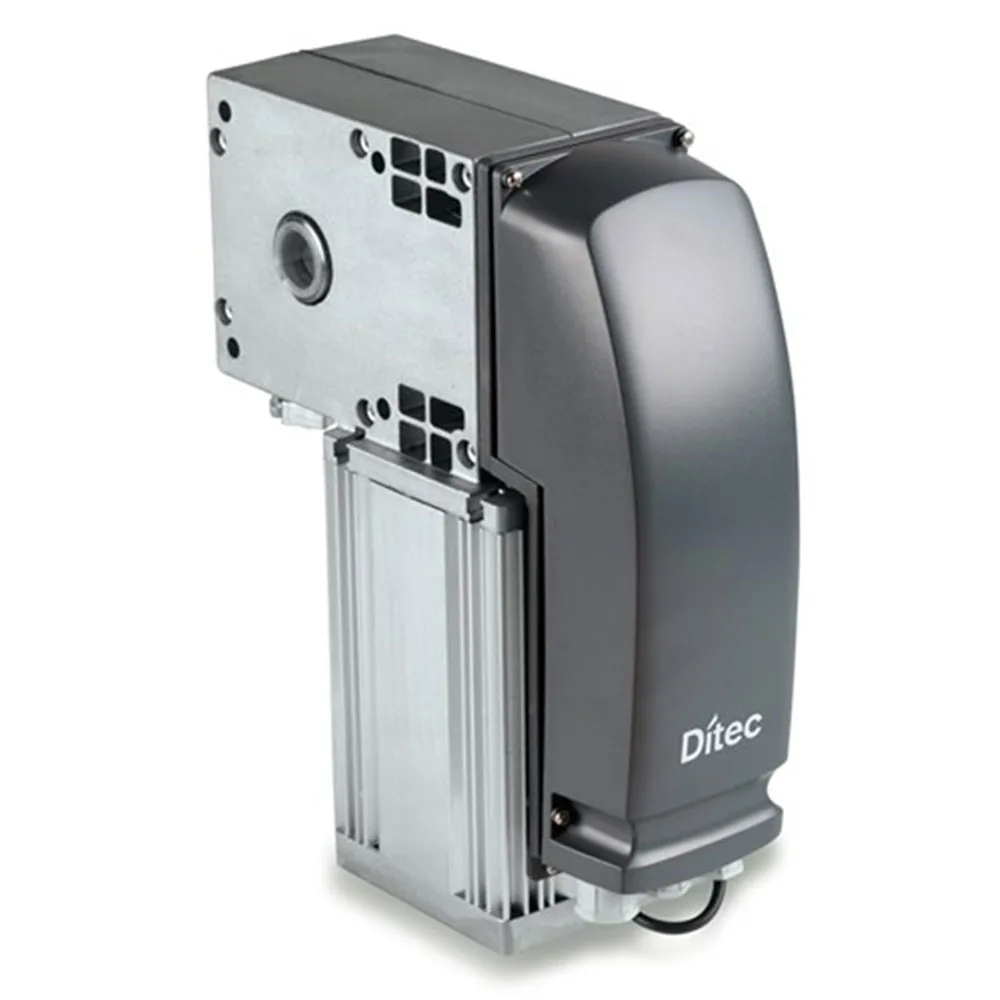
- On the other hand, Nice SU2000 covers 15–35 m2, and the SU2000VV range of 10–15 m2.
First, calculate the simple surface: the width of the void multiplied by the height. Then keep a margin, especially if the panels have windows or an integrated pedestrian door. For example, a door of 5 × 5 m has 25 m2, i.e. the exact limit of the BCJA625 series. In this case, a sectional hatch door automation of the BCJA645 series works more relaxedly.
Voltage for sectional wing door operator: 230 V or 400 V
First, the tension from the painting quickly narrows down the list of models. For example, BFT PEGASO BCJA625L12 uses 230 V. Instead, BFT PEGASO BCJA645W11 requires 400 V and aims for intensive use. On the other hand, Nice SU2000 work at 24 Vdc and use a magnetic encoder.
In addition, the encoder removes the classic setting of race limiters. However, the D-PRO924 control unit is purchased separately in the US2000. It therefore includes the board in the budget from the beginning.
Working regime for a sectional hall door automation
A warehouse with dozens of downloads a day requires the engine much more than a small workshop. BFT cards clearly separate the two schemes. Thus, the BCJA620 and BCJA625 series aim for semi-intensive use and BCJA645 for intensive use. So, choose a sectional hall door automation after the actual number of cycles, not just after size.
At the same time, the timing also counts. For example, 20 m2 models reach 33 rpm, while the largest work at 24 rpm. In other words, the small engines open faster, but the large ones bring additional torque.
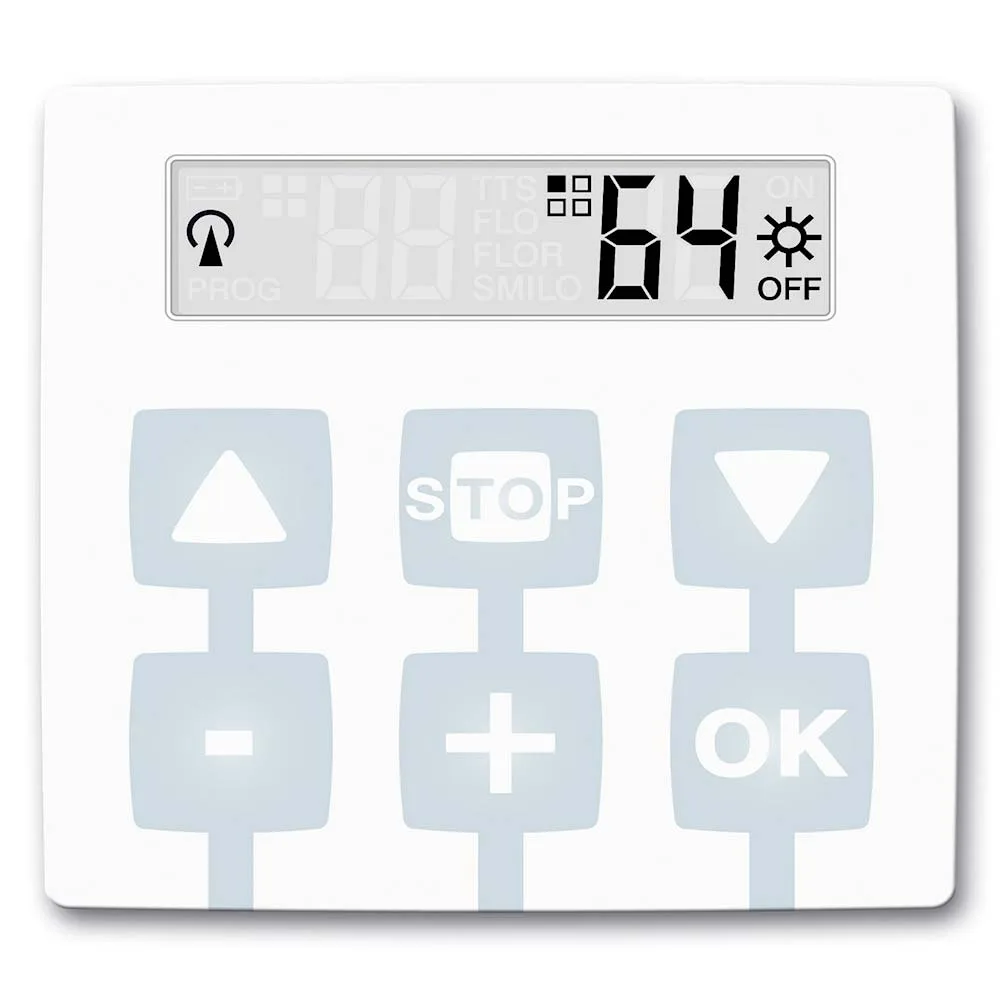
Deadman or automatic: control for the operator of the hatch door
Some PEGASO variants work under the regime "deadman", i.e. the door moves only as long as the operator holds the button. Others, instead, start automatically, with only one command. However, the automatic mode requires safety devices such as photocells and safety edges. Therefore, the decision holds by whom and how often.
- The Deadman regime matches the halls with trained personnel at each maneuver.
- The automatic control helps especially at crowded ramps, with different drivers.
- In addition, the automatic version goes well with remote controls or detection loops.
So, a sectional hall door automation automatically requires more attention to safety.
Unlocking an industrial sectional door motor
At a blackout, the door must also be opened manually. For example, BFT PEGASO BCJA620L01 offer chain release. Instead, BCJA625L12 or BCJA645W02 use a dual release cable. In addition, the degree of protection differs: IP54 in chain versions and IP55 in dual cable versions.
The chain allows, for example, ground handling, even if the engine is up. On the other hand, the double cable simplifies fast decoupling. Therefore, choose a sectional hatch door automation with the appropriate unlocking for mounting height.
Safety in workspaces
A sectional hall door automation moves heavy panels next to people, stackers and trucks. Therefore, the assembly usually includes photocells, safety edge on the bottom panel and light signaling. At the same time, the employer is responsible for the security of the work equipment in the lobby. Information about the obligations in the field you find at Labour Inspectorate. For parts and accessories, see also category industrial door fittings.
Assembly and commissioning
First, the technician checks the balance and condition of the lifting cables. Then mount the engine on the axle and attach the console to the wall. Later, adjust the race heads or calibrate the encoder according to the model. Finally, test the photocells, edge and manual unlocking.
A periodic review also prolongs the life of the system. In other words, cleaning the tracks and anointing the rails helps the engine. Thus, a sectional hall door automation remains reliable in years of intensive use.
Garage or shed: where the residential kit stops
Category also contains the kit Fac D1000, with a rail with a belt and a race of 2,6 m. However, it targets garage doors, not large storage doors. Instead, an industrial operator works on the axis and supports much larger surfaces. So, it doesn't replace a shawl motor with a garage kit just for budget reasons. If your door folds, compare and folding door automations.
Frequently Asked Questions about Sectional Hall Door Automation
How do I find out which motor fits my door?
First, measure the width and height of the void. Then choose a model with a higher limit than the surface obtained.
Can I mount a sectional door automation of the hall on 230 V?
Yeah, up to the manufacturer's limits. For example, the BCJA625 series works at 230 V for doors up to 25 m2.
What's going on at a power outage?
Unlock the engine with the chain or release cable. Then lift the door manually, aided by the arches.
What does the Deadman regime mean?
The door only moves as long as you hold the order. Thus, the operator is constantly monitoring the area under the door.
Compare all models in category Sectional door automations. The ONSEC team helps you choose a sectional door automation suitable for your surface and program.