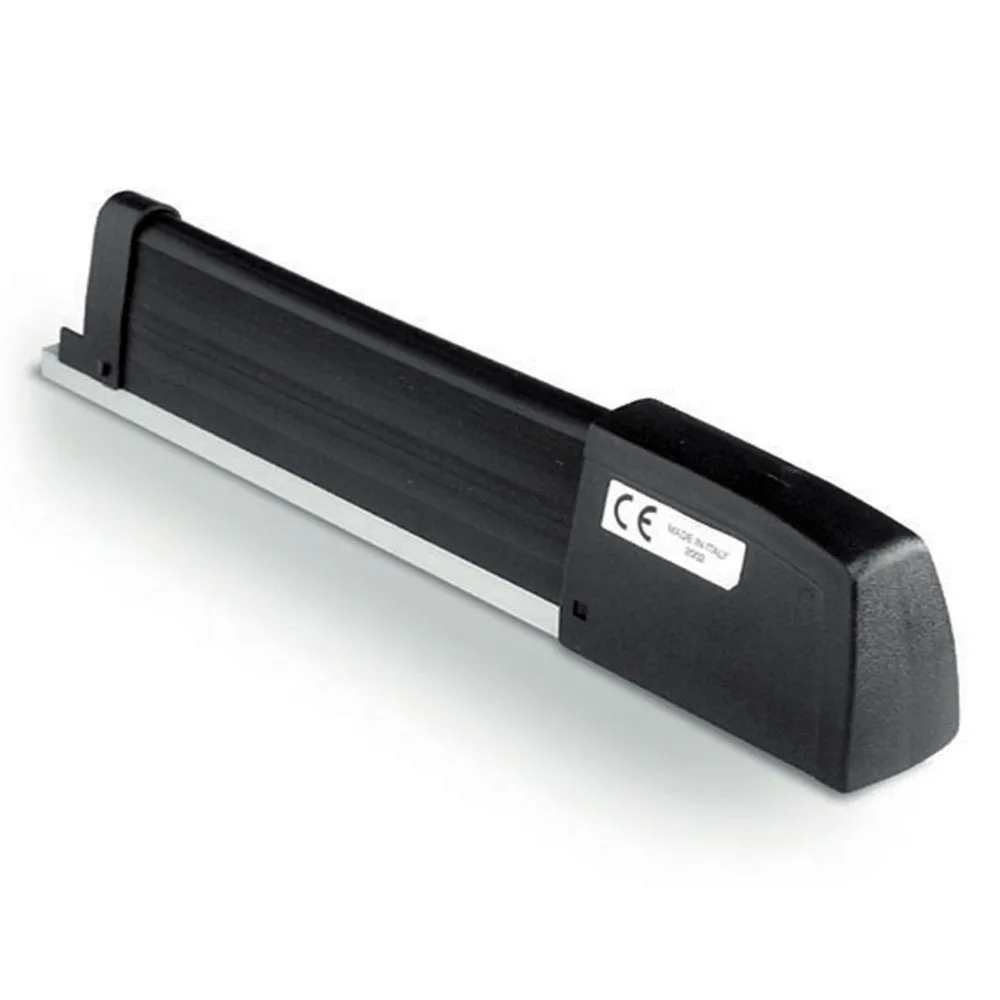
Mechanical safety edge: role, lengths and wireless transmission
A mechanical safety edge is mounted on the edge of an automatic gate and stops the movement when it touches an obstacle. Fill in the photocells, which don't see everything in the lockdown area. The length of the profile, the type of the gate and the mode of connection to the power station decide the appropriate option.
In short: choose the length of the profile after the leaf, mount it on the closing edge and a cable or wireless transmitter law.
Do you need help choosing?
Tell us what you need and we'll send you the offer on the same working day.
The sensitive edge adds protection exactly where the claws can catch a hand, a leg or a bicycle. The correct choice starts from the length of the cane and from the type of gate, swing or sliding. On the moving gates, the wireless transmitter avoids spiral cables and their wear. Periodic testing shall retain the active shutdown function. View Nice CMA profiles and TCW transmitters from safety edge and choose the right option for your portion.
The photocells protect the passage well, but do not cover every inch of the gate. Here comes a mechanical safety edge, mounted on the top of the cane. On contact, the profile deforms and transmits the signal to the power station. Then the power plant stops or reverses the movement of the gate.
How a mechanical safety edge works
First, retain construction: the profile has a rubber body on an aluminium support. Inside, a contact closes or opens when the profile is compressed. Thus, the power plant receives a clear signal at any impact on the length of the profile. Therefore, a mechanical safety edge reacts even to low obstacles, which the photocells do not see.
For example, a bicycle left by the pole can escape the beam of the photocells. Instead, the profile on the muchie feels it on the first contact.
Safety edge length Nice CMA
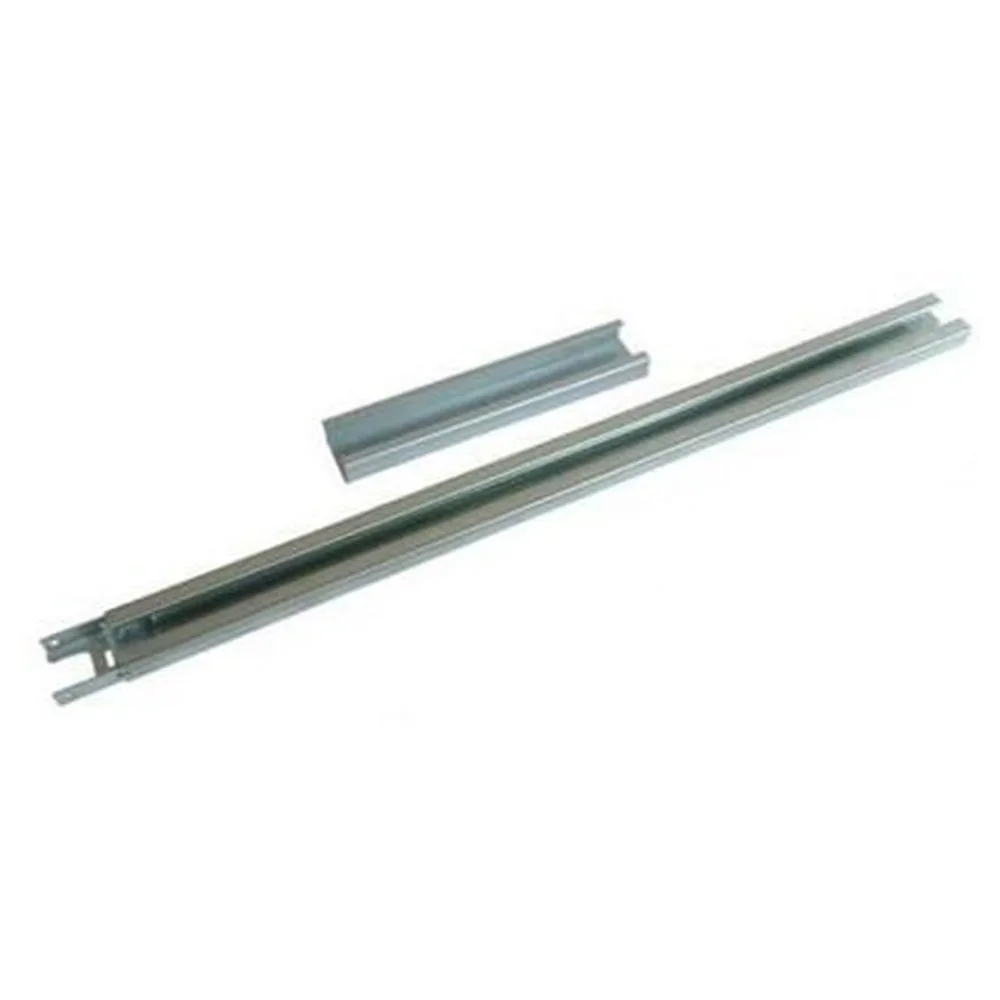
The Nice CMA range uses aluminium profiles with dimensions of 36 x 75 mm. Manufacturer recommends them for swing gates or sliding. The lengths of the offer cover the most residential leaf:
- Nice CMA 1.5MT, with a length of 1.5 meters.
- Version Nice CMA 1.7MT, 1,7 meters.
- Model Nice CMA 2MT, Two meters.
- Profile Nice CMA 2.5MT, 2.5 meters.
So, you choose a mechanical safety edge after the height or width of the bump you protect. On a sliding neck, the profile usually sits on the vertical closure.
Lower mechanical wing kits
Some gates need protection on the bottom end. For these situations, Nice offers the CMBK4 and CMBK6 kits. They are used for the construction of lower mechanical wings for aluminium profiles from 4 m or 6 m. The manufacturer indicates their use along with the CB profile.
At the same time, the Nice TCBS60 roll offers 10 meters of passive sensitive board. Thus, the installer cuts the length suitable for special mountings.
Sensitive mechanical edge with wireless transmission
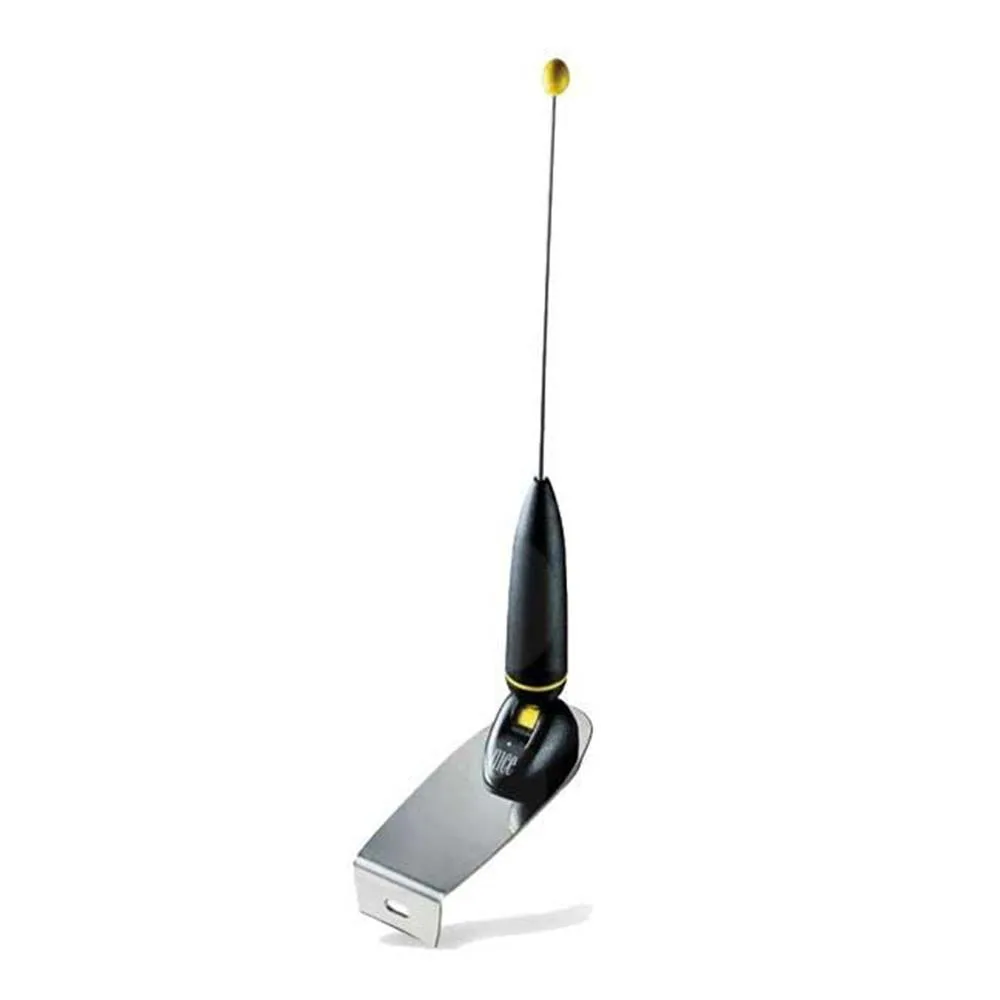
A gate's sash is moving, and the power station is still fixed. Therefore, the cable between them suffers each cycle. Wireless transmitters solve the problem and send the signal over the radio.
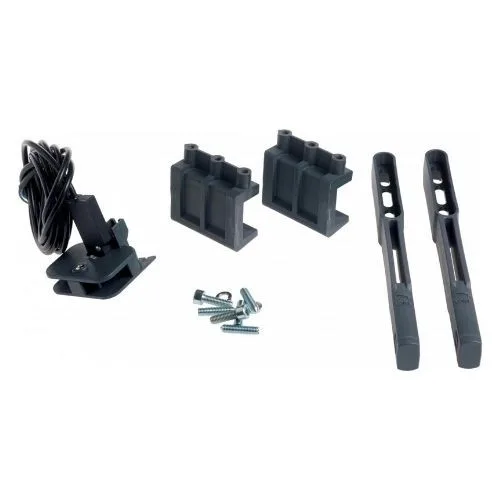
- The Nice TCW1 transmitter uses batteries and fits inside or in shaded areas.
- On the other hand, Nice TCW2 has photovoltaic panel and rechargeable batteries, for outdoors and sunny areas.
In other words, a mechanical safety edge with TCW2 is practically fed to a sun-exposed gate by itself. Instead, TCW1 requires periodic battery change.
Where you mount a sensitive mouthpiece for the collars
The position of the profile actually matters more than its length. First analyze the points where the kitchens can catch something. Usually, they appear at the closing edge and next to the poles.
- At the sliding gates: on the front end and, if necessary, on the reception pole.
- At the gates: on the closure of each leaf.
- Downstairs: with the lower wing kits.
In addition, check the distance from the surrounding objects. A mechanical safety edge works correctly only if the profile can be compressed free.
Safety edge and control centre
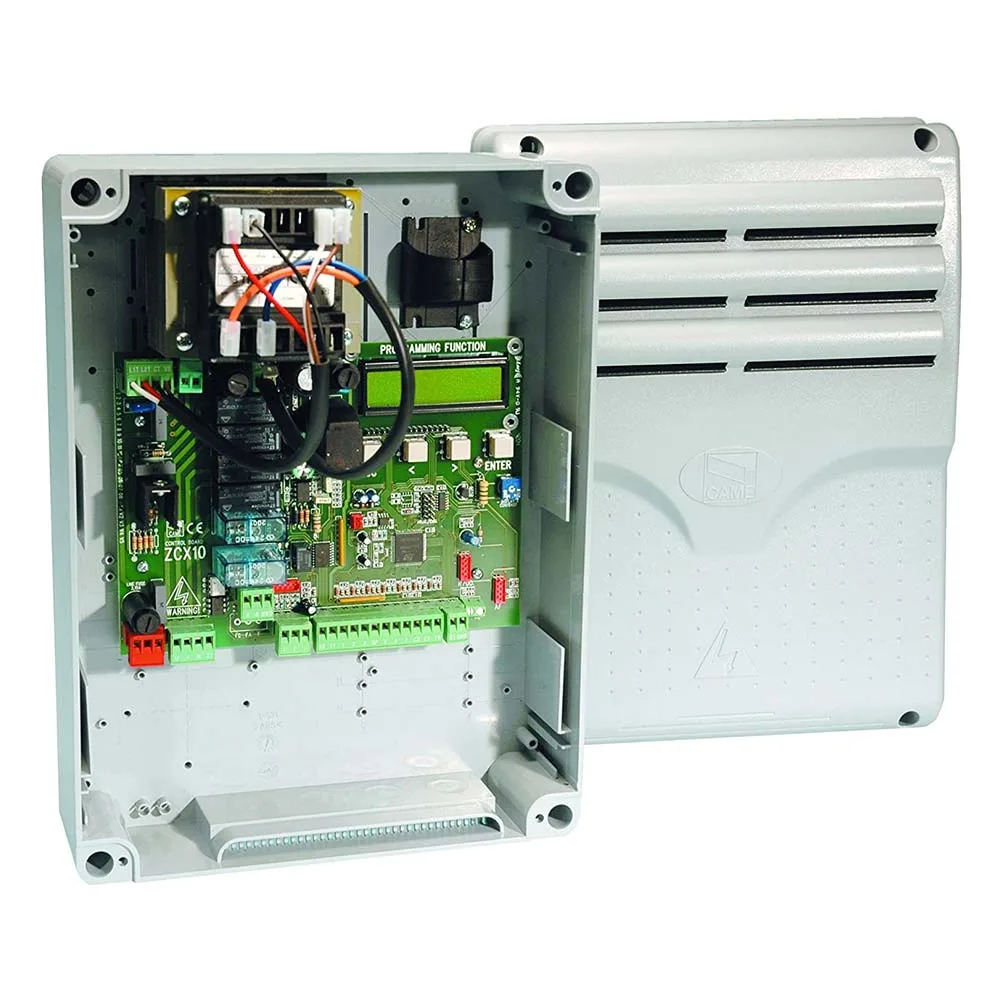
The profile alone just signals the contact. The plant decides what goes on, that is, stopping or reversing. That's why check the plate for entry for the sensitive board. Find compatible plates in control stations, and for the protection of the passage see Safety photocells.
Prevention of accidents at moving equipment also occurs in the guidance of the EU-OSHA. However, the final safety configuration is set by the installer after each gate.
Mechanical or other detection principle
There are also borders on the market with other principles, such as those that are resistant or optical. However, the mechanical option remains the simplest to understand and verify. The inside contact closes physically to the press. Therefore, a mechanical safety edge fits well with the usual residential and commercial gates.
On the other hand, the choice also depends on the power station. Some plates only accept certain types of signals on board. So, check the plate entries before you buy the profile.
Frequent errors on a mechanically sensitive edge
However, even a good profile can miss an obstacle if you put it wrong. Here are the situations we often encounter:
- Shorter profile than the mutt, with unprotected areas at the head.
- Cable stretched out on the unprotected leaf, broken after a few months.
- TCW1 transmitter mounted in full sun, with batteries unloaded quickly.
- Dedicated, impromptu-connected power plant.
All the right ingredients you find in safety edges category, From profiles to transmitters.
Test periodic pentru bordură sensibilă de siguranță
A non-functional border gives a false impression of safety. Therefore, test it regularly with a soft object during closure. Gates must stop or return immediately. If not reacting, check transmitter batteries and connections. Thus, a mechanical safety edge remains useful years in a row. In addition, note the date of each test, especially at the gates used by many people. Later, you can show that the checks were made in time.
Frequently Asked Questions about Mechanical Safety Edge
Do I need the border if I have the photocell?
Yeah, because the photocells don't cover the whole lot of the gate. The two systems are being completed.
What length do I choose?
Choose the length closest to the protected muchia, from 1.5 to 2.5 meters in the CMA range.
When do I choose TCW2 instead of TCW1?
When the kitchen is outside, in the sunny area. TCW2 is loaded through the photovoltaic panel.
Does it match the swing gates?
Yes, the Nice CMA profiles are fixed to both swing gates and sliding gates.
A mechanical safety edge brings a real plus of protection on the lot of the gates. See models in safety edge, and ONSEC team helps you choose the right profile and transmitter.