Wireless photocells for doors: when it is worth the battery version
With wireless photocells for the collars you keep the cordless lock protection pulled under the alley or onto the mobile booth. The standalone element works on the batteries, and the receiver stays attached to the power station. The solution helps especially to existing gates, with already completed or hard to unwrap.
In short: battery transmitter, central-connected receiver, fixed or adjustable models and a careful verification of compatibility with the portion plate.
Do you need help choosing?
Tell us what you need and we'll send you the offer on the same working day.
The cableless version saves digging and protects the finishings of the alley, especially at the already mounted gates. Instead, it requires periodic battery verification, careful alignment and lens cleaning. Confirm before ordering the type of safety entry from the plant, especially to the BUS systems. Then choose wireless photocells for cataracts Safety photocells, where you find classic cable models.
With wireless photocells for the collars you keep the safety function without pulling cable over the alley or through the mobile booth. Basically, at least one of the elements works on batteries and communicates wirelessly. Thus, the assembly becomes simpler where the digging would spoil the pavement. In this article you can see which variants exist in the category Safety photocells and how you choose them.
What Wireless Photocell Cells Mean for Gates
A classic pair of photocells has a transmitter and a receiver. The transmitter sends an infrared beam, and the receiver signals the power plant when someone interrupts it. Both sides usually need cable power. Instead, at least part of the wireless photocells for the collars are powered by batteries.
In other words, the receiver remains connected to the control plate, and the transmitter on the opposite side works autonomously. Therefore, you don't need the tube under the alley for the cable.
How to power the wireless part
The autonomous element has its own batteries. However, the receiver still needs power, usually 12-24 V AC/DC from the power station. Therefore, check the voltage accepted by each model before mounting.
- Batteries go down in time, so plan their periodic verification.
- Cold can reduce the capacity of winter batteries.
- The housing must remain waterproof after changing the batteries.
So, choosing wireless photocells for gate saves construction work, but requires little attention to maintenance.
ONSEC battery models
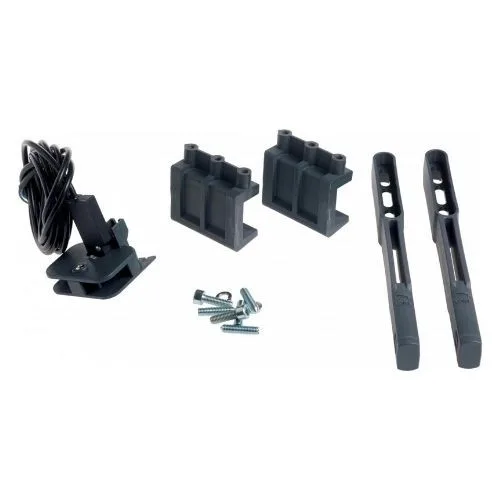
In the category of photocells you find several variants powered on batteries. For example, Set V2 Sensiva-WL It has adjustable photocells with batteries. Then, Irsig model 04 offers adjustable photocells with batteries, with a radius of 8-17 m. The manufacturer shall indicate it as compatible with the Cardin photocells at 12-24 V AC/DC.
Adjustable orientation helps when the gates do not stand perfectly face to face. Thus, you can align wireless photocells for gates and access with walls or derailed pillars.
RIB Vertigo Wireless: mobile protection
Vertigo Wireless RIB Set work differently than fixed pairs. The manufacturer presents it as an effective replacement for safety edges as it prevents impact. In addition, it occupies less space than a traditional border. Among the wireless photocells, Vertigo sees itself by mounting on the moving side. However, the final safety solution shall be determined after the risk analysis for each gate.
Fixed, adjustable or reflective
In addition to feeding, it also matters how the pair is mounted. The Irsig series illustrates the differences well:
- Model 01, with fixed photocells for 8-10 m, compatible with Nice photocells.
- Version 02, adjustable, for 10-15 m, in compatible variants Somfy or King Gates.
- Model 05, with reflection, for 12-20 m, compatible with DEA photocells.
Also, Erreka FT02 Work with the mirror. I mean, the transmitter and receiver are in the same housing, and on the opposite side, you just mount the reflector. Thus, only one part requires food, as in wireless photocells, but without batteries to change. Therefore, you choose to compare the working range, the way the alignment is and where you have access to the current.
Photocell with batteries or cable?
The cable version remains the simplest in the long term, because it does not require changing batteries. The Nice BF or Proteco RF02 models enter this family. For example, Protective RF02 Mounted and has the direction of the adjustable beam. Instead, some wireless photocells for the collars win where a new tube under the alley would ruin the finishings.
- Choose cable to new constructions when the tube is put anyway.
- It prefers batteries to existing gates, with already finished paving.
- Combines both large gate solutions with several pairs.
Positioning for wireless cameras
At a sliding gate, the first pair usually sits on the gate line at the entrance. At the same time, a second pair on the outside protects the area where the car is waiting. At the gates, check the rotation area of the canads, as a child or animal can stand there. In addition, the height of the beam must surprise both a car and a pedestrian. In other words, the correct position counts as much as the chosen model.
Compatibility with central portion
Most photocells work with a normal closed contact linked to the safety input of the plant. However, some systems use their own masters. For example, Nice EPLB communicates through BlueBUS technology. Irsig series mentions incompatibility with BUS type photocells in several manufacturers.
Therefore, before choosing the wireless gate photocells, check the type of safety entry on the plate. For connecting wireless edges to BlueBUS plants, there are dedicated interfaces in the category Other interfaces.
Assembly and maintenance for wireless photocells
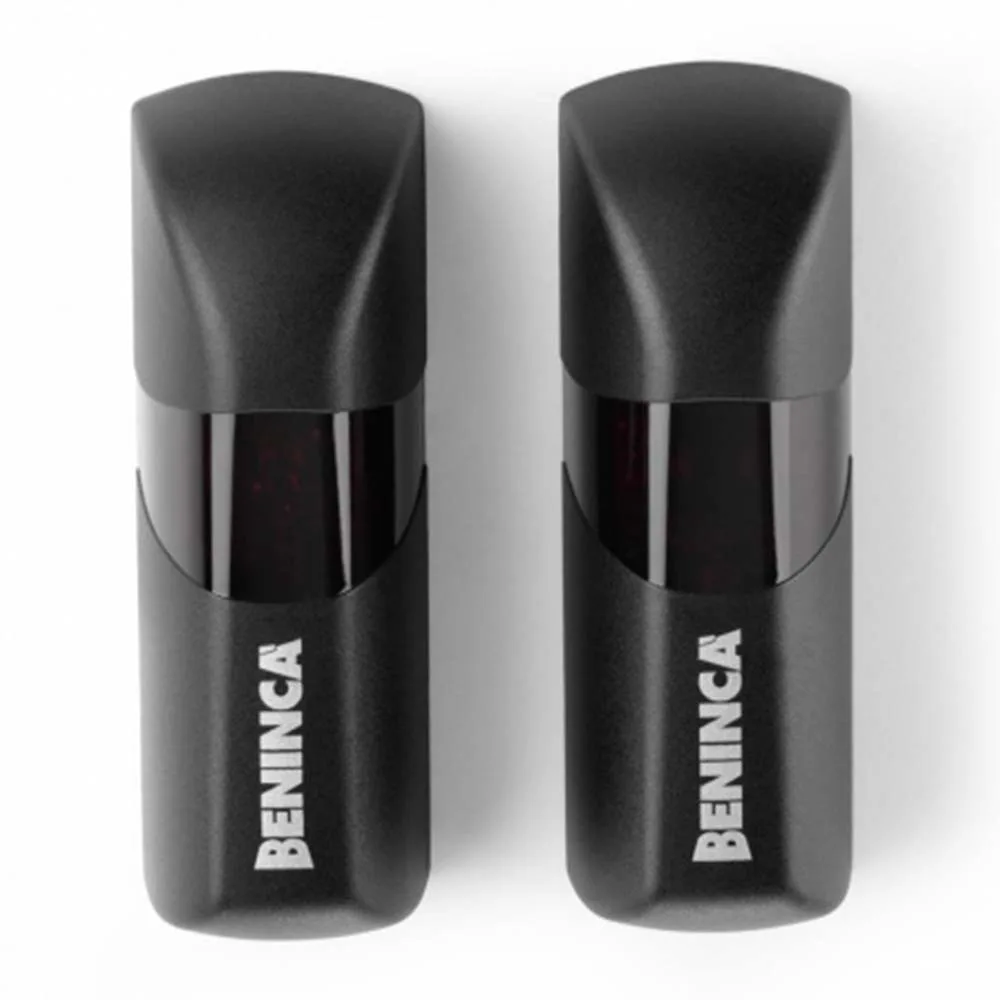
First, fix the receiver and transmitter to the same height on stable surfaces. If the gate pillar does not allow, use a separate support, such as the pillar for Beninca C-BY photocells. Then align the beam and test the stop of the gate with an object in the way. Later, write down the date of the battery assembly. Finally, periodically clean the dust and spider web lenses.
For general information about the standards in the field, please consult ASRO. At the same time, you can combine wireless photocells for the gate with Sensitive edges And flashing light.
Frequently Asked Questions about Wireless Photocell Cells for Gates
How long are the batteries holding up?
Depends on the model, the frequency of the manoeuvres and the temperature. Therefore, consult the manufacturer's file and check the batteries at each review.
Does it work with any automation?
Not always. The BUS master plants usually require dedicated photocells or an interface.
Can I use cordless photocells at the barren end?
Yeah. At the bell gates, the assembly of wireless photocells for the gate avoids the cable passed through the hinges or over the alley.
Compare models with batteries, mirror or cable in category Safety photocells. The ONSEC team helps you choose wireless photocells for your gate compatible with your power plant.