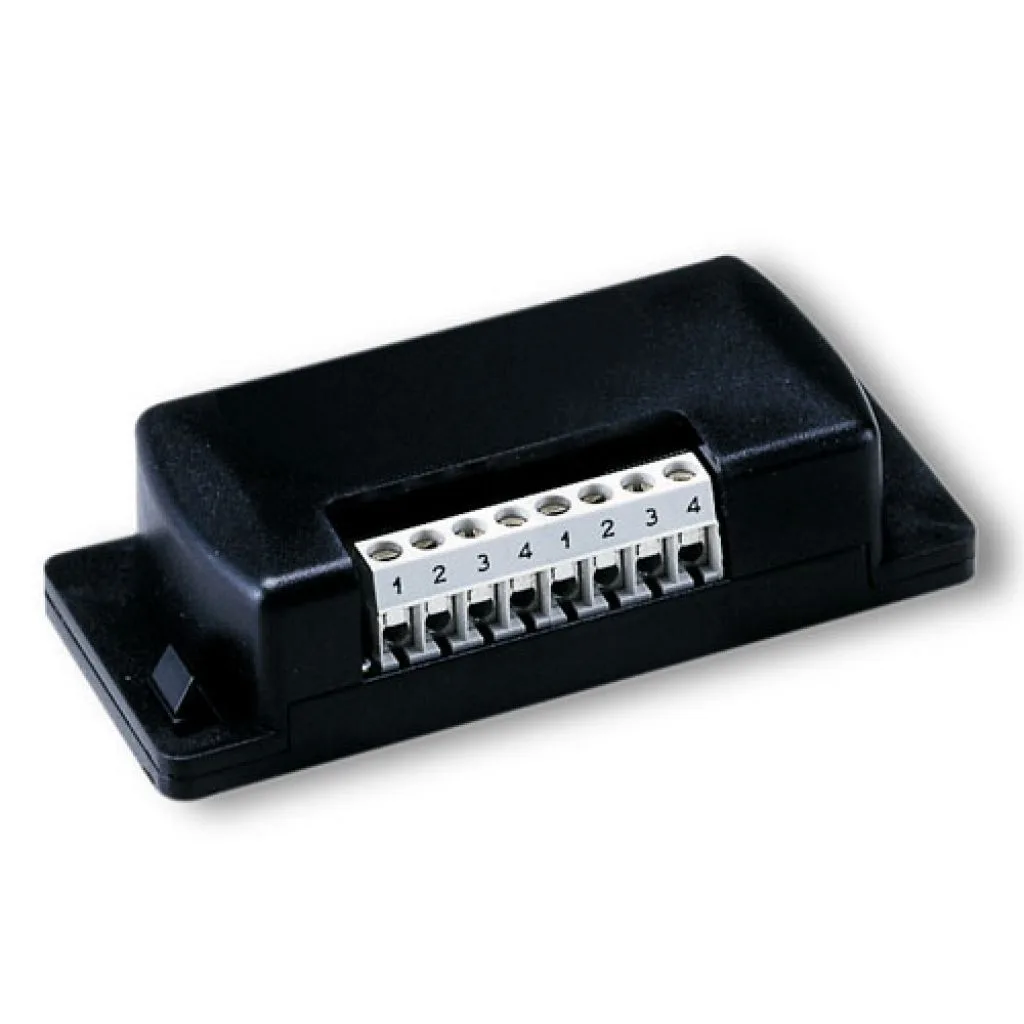
External radio receiver: how do you choose the model for your gate
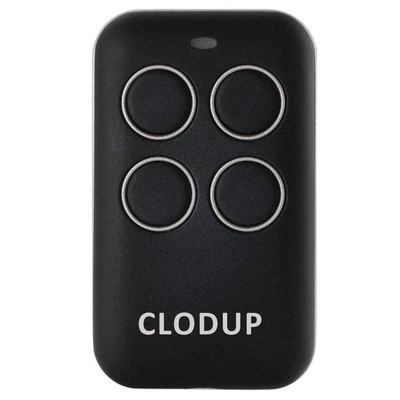
An external radio receiver adds remote control control to an automation that does not have an integrated radio or that does not understand the code of your remote controls. Sitting next to the power station or on the wall, he receives the signal and sends a contact to the control plate without changing the power station.
In short: an external radio receiver counts the frequency (433 or 868 MHz), protocol, channels, code number and IP protection.
Do you need help choosing?
Tell us what you need and we'll send you the offer on the same working day.
The right receiver allows you to keep the central and remote controls you already have. Start from the frequency of the remote control, check the protocol and count how many users will have access. For outdoors, look for IP54 or IP53 protection and check the power supply voltage, and for buildings with many tenants, a large memory, such as 2048 codes. Choose a suitable external radio receiver from the category Radio receivers.
Port automation works, but the old remote controls have been lost or are no longer found. Sometimes you want to use remote controls of another brand. Sometimes the power station doesn't have a radio mode at all. In both situations, an external radio receiver solves the problem without switching the power plant. Below we see how you read the specifications and what models exist.
External radio receiver or plug-in card?
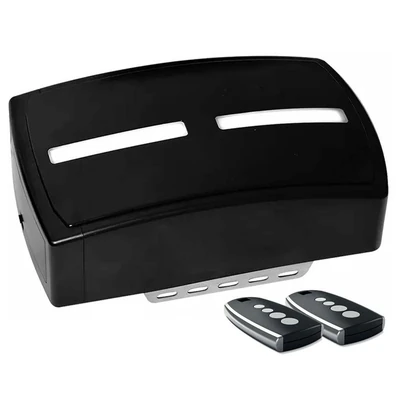
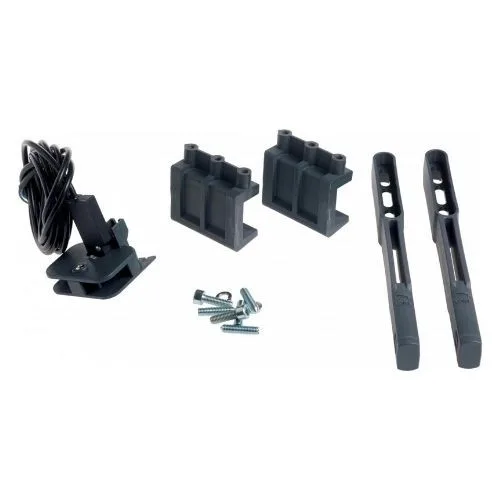
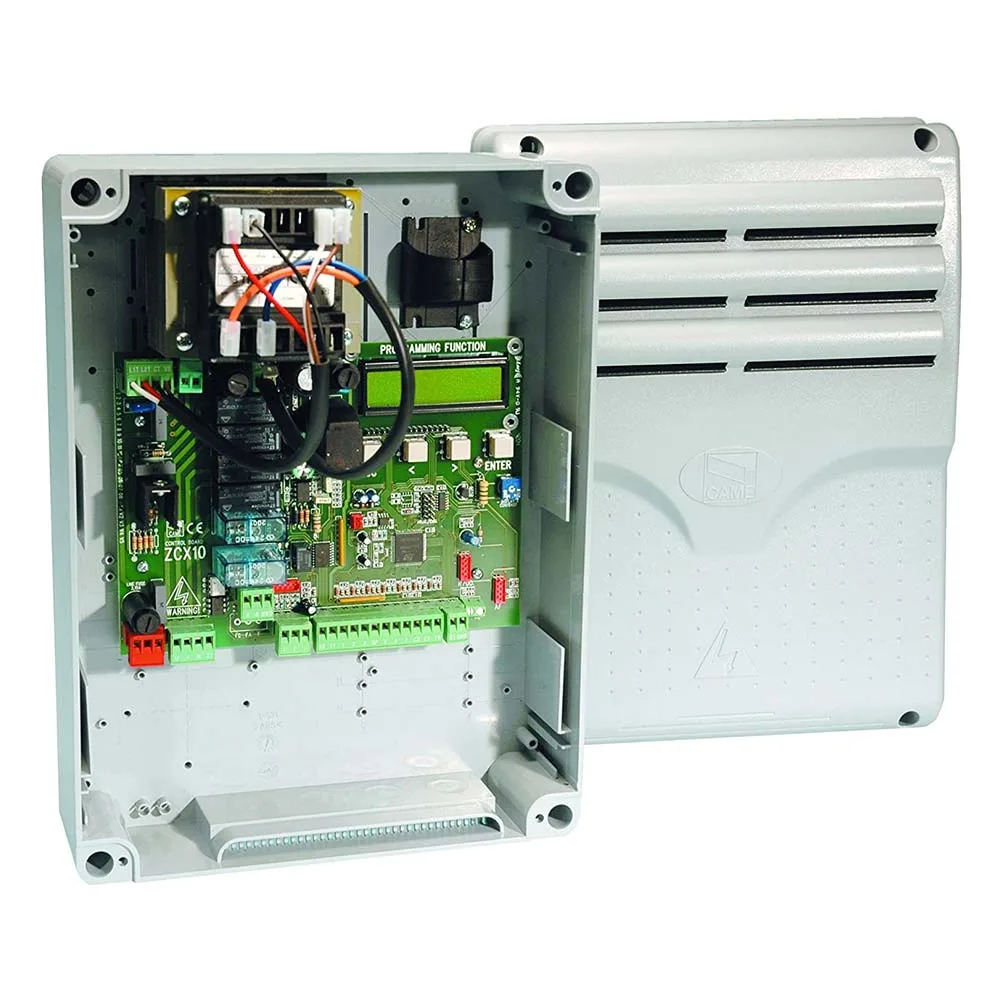
The receivers appear in two forms. The first form enters directly into the control plate connector. For example, Camera AF868SR has the shape of a plug-in card on 868.35 MHz, for up to 25 radio controls. The second shape lies in a housing and binds by wires. This is an external radio receiver coming in. Category radio receivers ONSEC includes both forms.
- The plug-in card occupies a little space and mounts quickly.
- The external version works with different brand plates.
- The exterior models have IP-protected housing.
Therefore, the card matches when you stay on the same brand. Instead, an external radio receiver gains compatibility and flexibility.
Frequency: 433 or 868 MHz
The remote control and the receiver shall work on the same frequency. Most of the models in the category use 433,92 MHz. However, Came offers variants on 868.35 MHz, such as RE862M. On the other hand, the Retel RT01 receivers cover the range 433–868 MHz. The frequency difference shall not be compensated by setting. So read the remote control label before you choose an external radio receiver. For European technical standards for radio equipment, you can consult ASRO.
Universal external receiver for existing remote controls
Some universal receivers take remote controls from other manufacturers. The RT01 Retel series has separate versions for each family of codes.
- For remote controls Faac exists Network RT01 in the Faac version.
- Version RT01 for remote controls Nice follows the same logic.
- Those with remote Hormann controls choose RT01 for Hormann.
So, you keep the remotes you already have. As an alternative, Faac XF 433 and Nice OXIBD with four channels work on 433 MHz in their own ecosystems. A correctly chosen external radio receiver avoids the purchase of a new set of remote controls.
Channels, exits and memory capacities
Each channel commands a function. With two channels, for example, you open large and pedestrian gates. With four channels, add lights or a door garage.
Code capacity matters to buildings with many users. Here are some of the product data sheets:
- Roger H93/RX20/I: two channels, fixed code, maximum 50 codes.
- Came RE432M and RE862M: two channels, up to 50 users.
- Nice FLOX2R: up to 63 codes with BM250 memory.
- BFT CLONIX UNI AC U-LINK: three outputs and memory for 2048 remote controls.
Therefore, for an association of owners with hundreds of tenants, an external radio receiver of the type CLONIX offers sufficient reserve. For a house, two channels and 50 codes usually arrive. With three exits, as in Clonix, you clearly separate the functions between them.
Example: common gate block
A block with common parking lot often has dozens of remote controls in circulation. When a landlord moves, his remote should be removed from memory. Therefore, choose a receiver with convenient code management. The Nice FloR series, for example, works with the BUPC and SMU programmers for code administration. Thus, the administrator deletes or adds users without walking at each remote control. In addition, BM1000 memory raises to 255 code numbers at FLOX receivers. An external radio receiver with extensible memory remains here the careful choice.
Outside radio receiver for outside mounting
Some receivers stand directly on the gate pole or on the wall. They need a watertight casing. Camera RE432M has IP54 protection and 12–24 V AC-DC power supply. Version RE862M retains the same data, but at 868.35 MHz. Both accept TOP, TAM, ATOMO D and TWIN coding. Nice FLOX2R also appears with IP53 protection and features such as step-by-step or timer. So, an external radio receiver saves you from an extra box.
How to power and cable an external receiver for automation
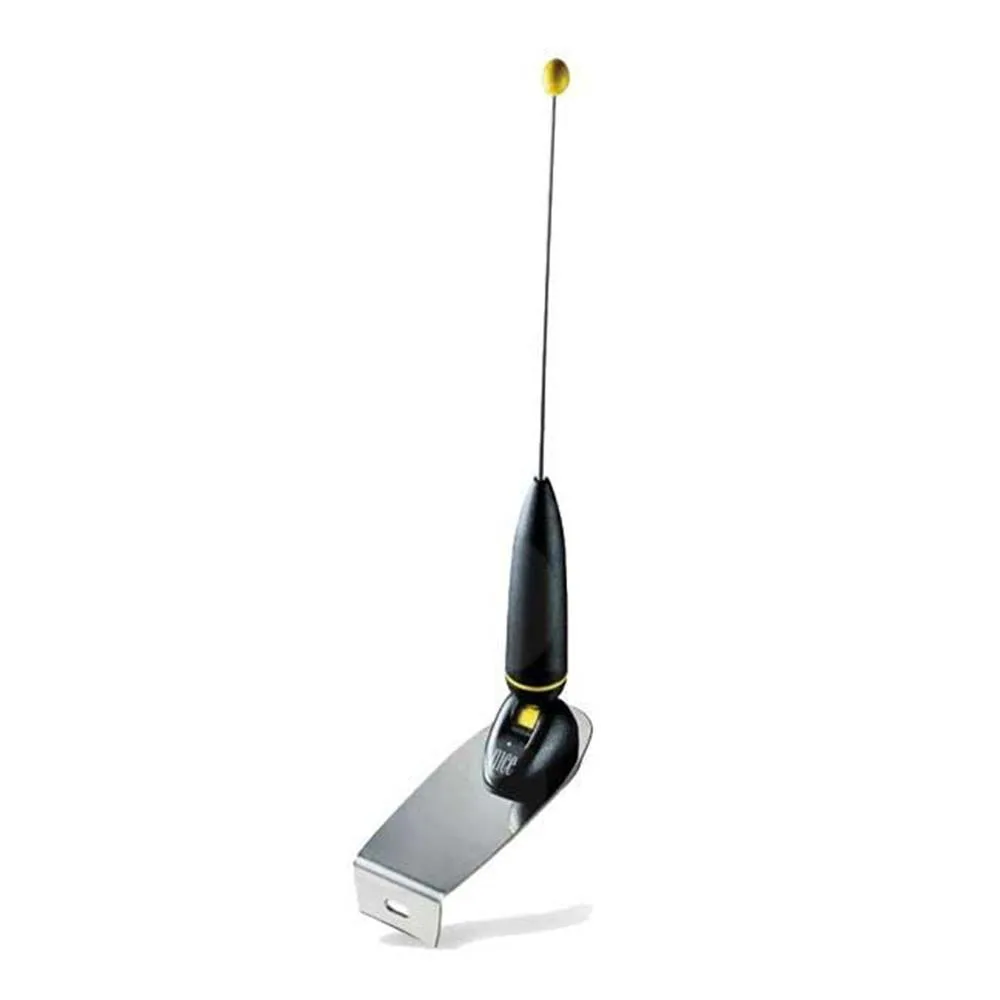
Check the voltage before mounting. Clonix UNI AC works at 230 V, while Came exterior models accept 12–24 V. Instead, Roger H93/RX20/I uses 5 V cc and mounts internally. At the same time, Roger indicates an RG58 antenna cable of up to 10 m. For better reception, add a category antenna radio antennas.
The connection to the power station is made through contacts. CLONIX has two NO contacts and one NO/NC configurable. Therefore, you bind each exit to the proper entrance of the plate, usually ordering step-by-step. With a properly connected external radio receiver, the station does not see the difference from an integrated radio.
Frequent errors in choice
- Purchase of a receiver on a frequency other than a remote control.
- Ignoring the number of future users.
- Mounting in the power plant's metal box, no antenna.
- The confusion between the NO and the NC exits.
- Lack of records of the stored remote controls.
In conclusion, an external radio receiver chosen according to these criteria works for good years without surprises.
Frequently Asked Questions about External Radio Receiver
Can I use remote Hormann controls on one gate of another brand?
Yes, a compatible external radio receiver, such as Retel RT01 for Hormann, makes this possible. The receiver then transmits the command to the power station.
How many remote controls can I memorize?
Depends on model: 25 at Came AF868SR and 2048 at BFT Clonix Uni AC.
Do I need an antenna?
Not always. However, at large distances or near thick walls, an external antenna improves reception.
What does NO and NC mean?
NO means normal open contact, and NC means normal closed contact. Choose the type requested for the entry of the control plate.
Compare models in category Radio receivers and choose an external radio receiver after frequency, codes and mounting. The ONSEC team helps you verify compatibility with your remote controls.