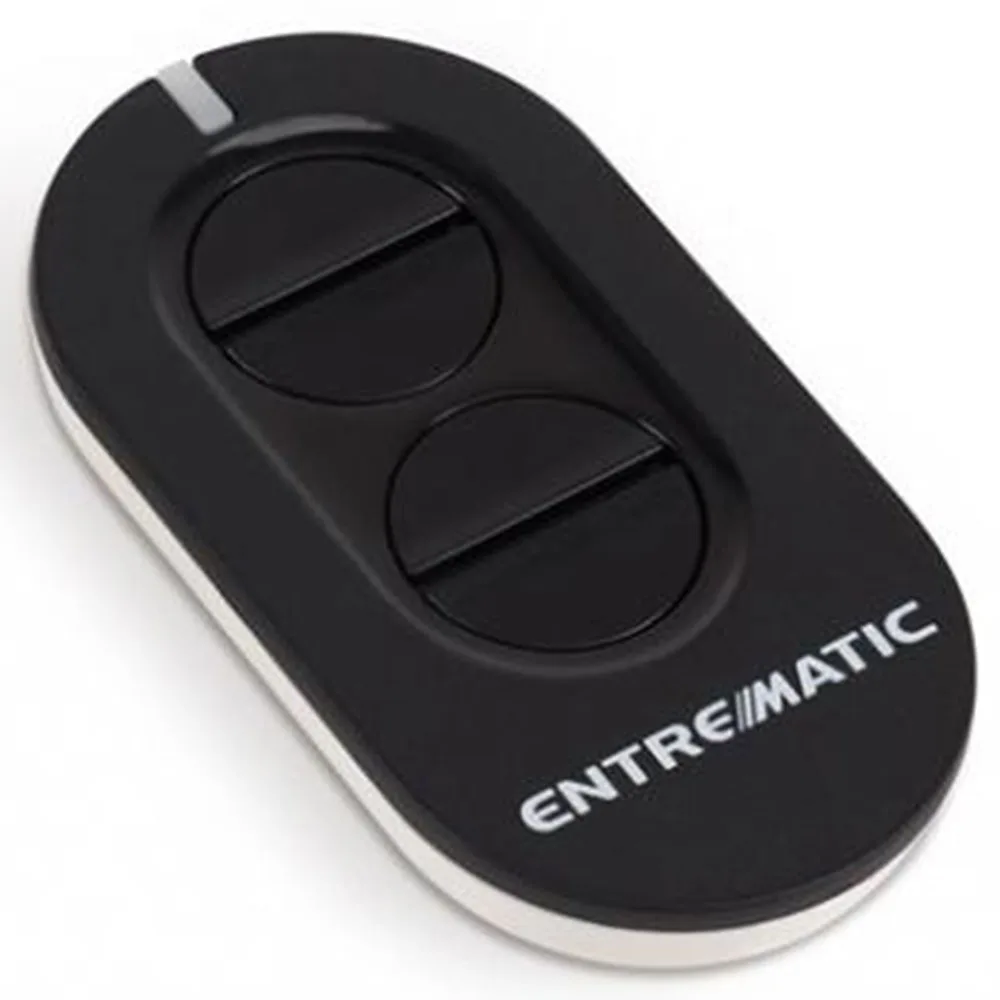
Remote control rolling code: how to protect your running code
A remote rolling code control sends to each press a new code, calculated after an algorithm known only to the receiver. Thus, the recording of the signal cannot be used twice. Therefore, the rolling code became the preferred option for gates, garages and barriers.
In short: find the brand and frequency of the receiver, choose the type of code and number of channels, then store the new remote control in the receiver.
Do you need help choosing?
Tell us what you need and we'll send you the offer on the same working day.
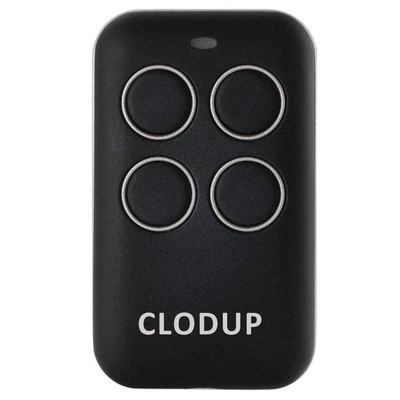
A suitable remote rolling code control starts from the brand and frequency of the receiver. Then you decide how many channels you need and whether you want a dedicated model or a universal one. Also keep track of the stored remotes and delete the lost ones. Thus, access to the courtyard, garage or parking lot remains under control, without surprises. Discover the Nice, Ditec, Comunello, Beninca and Life models in the category remote control automations.
A remote rolling code control changes the sequence transmitted to each button press. The automation receiver knows the algorithm and accepts only the expected code. Therefore, a recording of the signal made by a stranger does not open doors the second time.
In this guide we explain the principle, the difference from the fixed code and the choice criteria. For example, we use real models in the category remote control automations, from Comunello, Ditec, Nice, Beninca and Life.
How to work a remote control rolling code
The remote control and the receiver shall be switched on from the same common point, as set out in the memorandum. Then, at each press, the remote calculates the next code. The receiver does the same calculation and compares the result. In other words, a remote rolling code control never repeats the previous signal.
The receiver usually accepts a future code window. Thus, if you press the button away from the gate, synchronization will not be lost. For example, Comunello mentions over 18 million possible combinations for the VICTOR series.
Fixed or remote control rolling code
The fixed code transmits the same sequence to each press. So, it's easily copied with a simple clone. Some of the models in the category remain on a fixed code, such as WBK-400A-4 or Comunello VICTOR 4 SYNC. Instead, a remote rolling code control provides a higher level of protection.
- The fixed code matches old systems or simple electrical locks.
- Instead, the rolling code helps especially at the access gates in properties and garages.
- Also, hybrid models, like Sice Tech Why EVO, work with both types.
Frequency for remote control with rolling code: 433.92 or 868 MHz
The frequency of the remote control shall coincide with that of the receiver. Here are a few examples of the category:
- For example, Comunello VICTOR 4 RC and Beninca TO.GO4VA work on 433,92 MHz.
- On the 868 MHz band you find Comunello VICTOR 2 868, 868.46 MHz.
- Then Ditec ZENP4 uses 868.35 MHz and has four channels.
- Instead, Life Dream 4 remains on 433,92 MHz, still with four channels.
Therefore, check the receiver label before ordering. A remote rolling code control on the wrong frequency does not communicate at all with automation.
How many channels you need
Each channel commands a function or equipment. For example, Nice INTI1Y It has only one channel, suitable for a gate. Instead, Ditec ZENP4 offer four channels. Thus, large gate controls, pedestrian gate controls, garage and lighting from the same remote control.
However, several buttons also mean the risk of a wrong press. Some users therefore prefer two simple remote controls instead of a complex one. So, choose a remote rolling code control with as many channels as effectively ordering equipment.
Suitable receiver for a remote control with rolling code
Each manufacturer shall use its own rolling code algorithm. Therefore, a remote control Ditec usually only goes with Ditec compatible receivers. For example, Nice INTI1Y uses O-Code encoding on 72 bits and has self-learning functions. It also includes an integrated proximity receiver.
If you have an old receiver or a rare mark, a universal external receiver solves the problem. See the options in the category radio receivers. For copying an existing code, compare and duplicate clone remote controls.
Battery and range of action
Most remotes use a small battery of 3 V. For example, Comunello VICTOR indicates a single 3 VDC battery and a radius of more than 100 m in the open air. However, walls, vegetation and other radio signals reduce the real distance. Therefore, if the radius drops suddenly, change the battery first. Just then you're looking for a remote control rolling new code.
How to store a new remote control with dynamic code
The procedure differs from mark to mark, but the basic steps resemble. First, activate the learning mode on the control plate or on the receiver. Then press the selected remote control button. Finally, test the opening and write down the channel used. Also, some models allow memorizing from a remote control already registered, without access to the plate.
Safety in daily use
The rolling code protects the signal, but not the lost remote. Therefore, keep a list of the stored remote controls and the people who use them. Then, when someone leaves the firm or the block, they delete his code from the receiver. Thus, a remote rolling code control remains a safe and long-term solution.
When it's worth moving from fixed code to rolling code
Many old automations still use remote controls with fixed code. However, a new receiver often allows the switch to the rolling code without changing the engine. For example, an external receiver binds to the control input of the existing plate. Then you memorize the new remote controls directly into the receiver. Thus, you gain security without a big investment. Therefore, a remote rolling code control becomes a realistic option for older gates as well.
Standards and radio safety
Radio equipment in automation complies with European technical standards on emissions and compatibility. General information about the applicable standards can be found at ASRO. At the same time, keep the remote controls away from heat and moisture sources.
Frequently asked questions: remote control rolling code
Can I use any remote control rolling code with my ass?
No, because every producer has their own algorithm. Choose a model compatible with your receiver.
What do I do if I lose a remote control?
Delete the codes from the receiver and re-memorify the remaining remote controls. So the lost one doesn't work anymore.
Is a remote control with a rolling code unsynchronizing?
Rarely, thanks to the code window accepted by the receiver. If it happens, resume the memorization procedure.
Does it matter the color?
The colour shall not affect the operation. For example, Ditec ZEN appears in white and green, and Comunello in green, red or grey.
Compare models in category remote control automations. The ONSEC team helps you choose a remote rolling code control compatible with your automation.